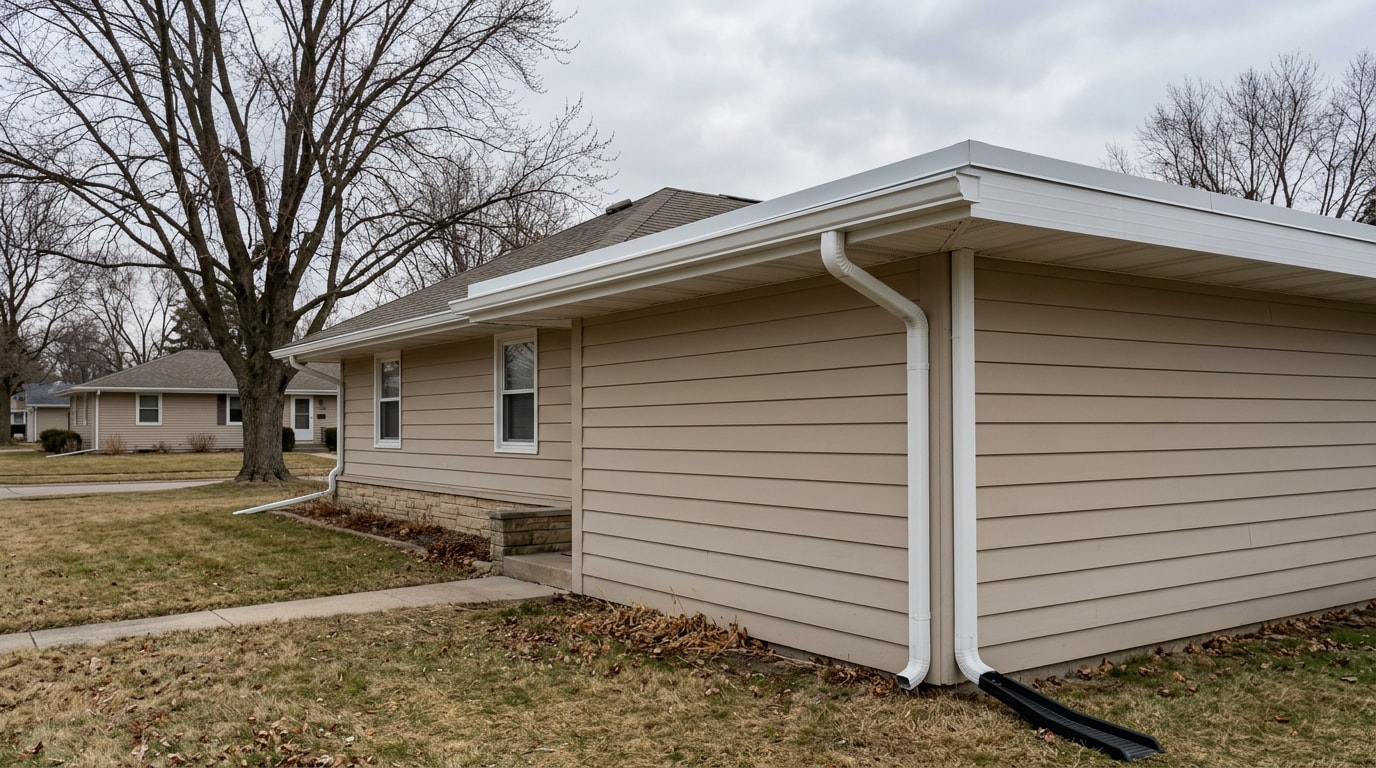

A plumbing system installation in Chatham, IL covers everything from a single new water heater to a full-house repipe, and the scope changes what you'll pay, how long it takes, and who should do the work. This guide breaks down each installation type, realistic cost ranges, and the licensing checks that separate a code-compliant job from a callback waiting to happen. We'll also flag the Illinois-specific rules (like septic tank sizing and well setbacks) that most generic plumbing guides skip entirely.
What Counts as a Plumbing System Installation
Installation work is different from a repair call. A repair fixes an isolated problem, like a dripping faucet, without touching the surrounding system. Installation means putting in something new, whether that's a fixture, a water heater, a sump pump, or an entire network of supply and drain lines.
In Chatham, the most common installation projects fall into five categories:
- Water heater installation (tank or tankless)
- Sump pump installation
- Septic tank and drain field installation
- Water line installation and whole-house repiping
- Fixture and gas line installation
Each has its own code requirements, cost range, and failure points if installed incorrectly. We'll go through them in the order Chatham homeowners actually request them.
Water Heater Installation
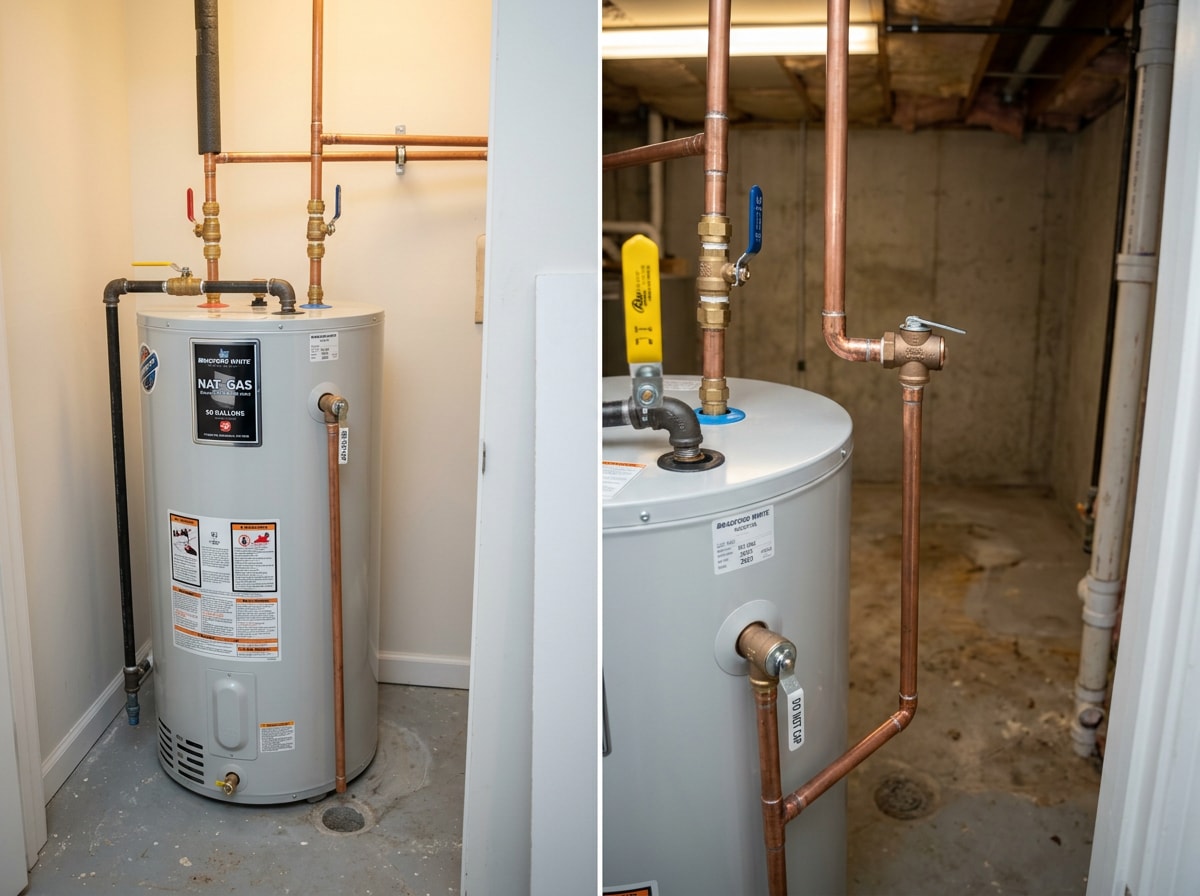
Water heater installation is the single most requested plumbing project in Chatham homes. Tank units generally last close to a decade before efficiency drops or the tank starts leaking, which is why replacement, not just repair, becomes the practical choice for most households sooner or later.
Tank vs. Tankless
A tank water heater costs less upfront and handles high simultaneous demand (multiple showers, a dishwasher running) more predictably. A tankless unit heats water on demand, takes up less wall space, and typically lasts longer, but it costs more to install and may require upgraded gas or electrical service.
What a Proper Installation Involves
A correct water heater installation involves:
- Disconnecting and draining the old unit
- Verifying venting and gas or electrical connections match the new unit's requirements
- Setting the new tank level and anchoring it per code
- Running a full leak and pressure test before it's left in service
Skipping any of these steps can void a manufacturer's warranty or create a safety hazard. The 2021 International Residential Code sets specific requirements for drain pans, relief valve discharge piping, and clearances around water heaters, and local jurisdictions can add their own amendments on top of that. It's worth asking your installer to walk through exactly how your installation meets the current IRC water heater chapter before the job is signed off.
Sump Pump Installation
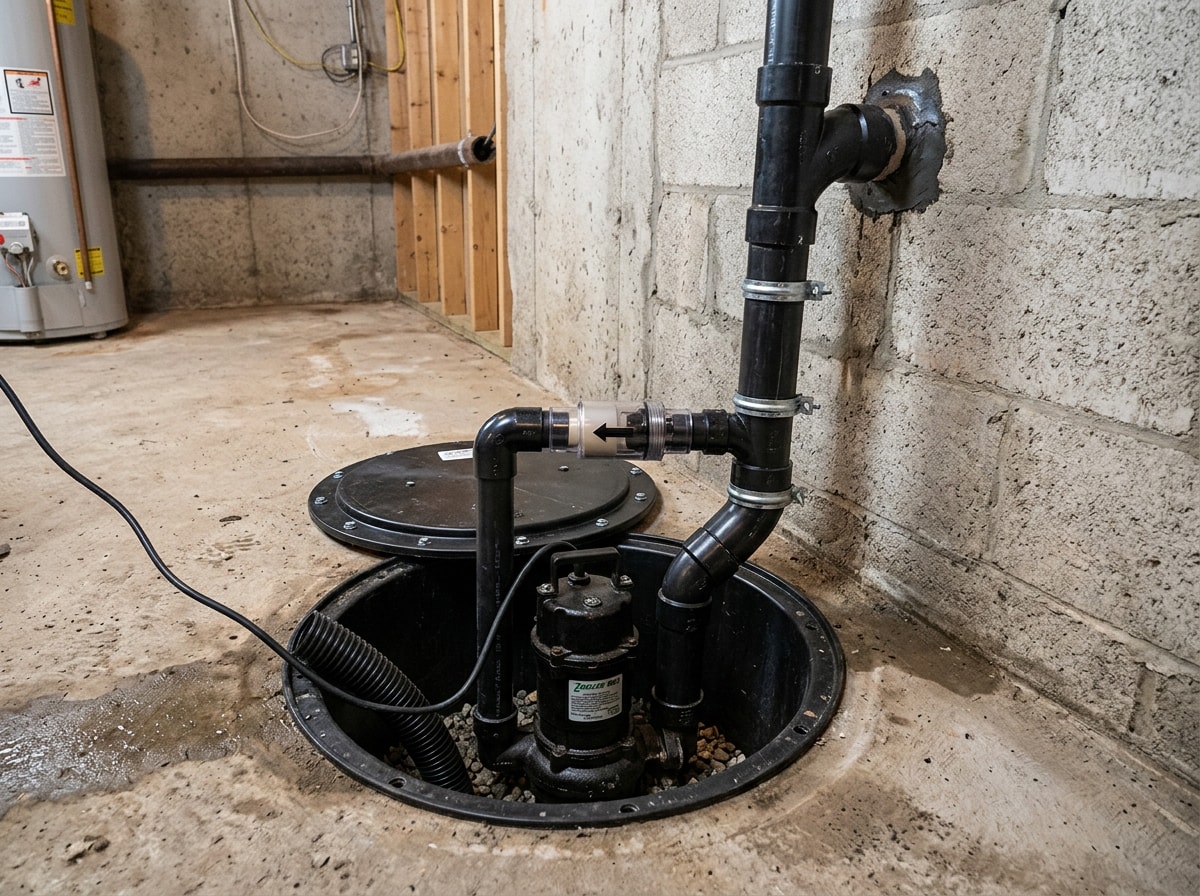
Chatham basements deal with heavy spring rain and snowmelt runoff from the flat Sangamon County terrain, which makes sump pump installation a near-necessity for homes with any below-grade living space. A properly installed pump is one of the cheapest forms of flood prevention a homeowner can buy.
A correct sump pump installation starts with digging a pit at the basement's lowest point, running the discharge line safely away from the foundation, and adding a check valve so water can't flow back into the pit once the pump shuts off. Effectiveness comes down almost entirely to how well that install is executed, not just the brand of pump chosen.
A battery backup keeps the pump running during power outages, which matter most during the same storms that cause flooding in the first place. Sizing should account for how quickly water enters the pit, not just basement square footage.
Septic Tank Installation in Chatham, IL
Properties outside Chatham's municipal sewer service rely on septic systems, and installing one is a larger-scale project than fixture or appliance work. It involves excavation, permitting, and coordination with local health authorities, so timelines run longer than most other plumbing jobs.
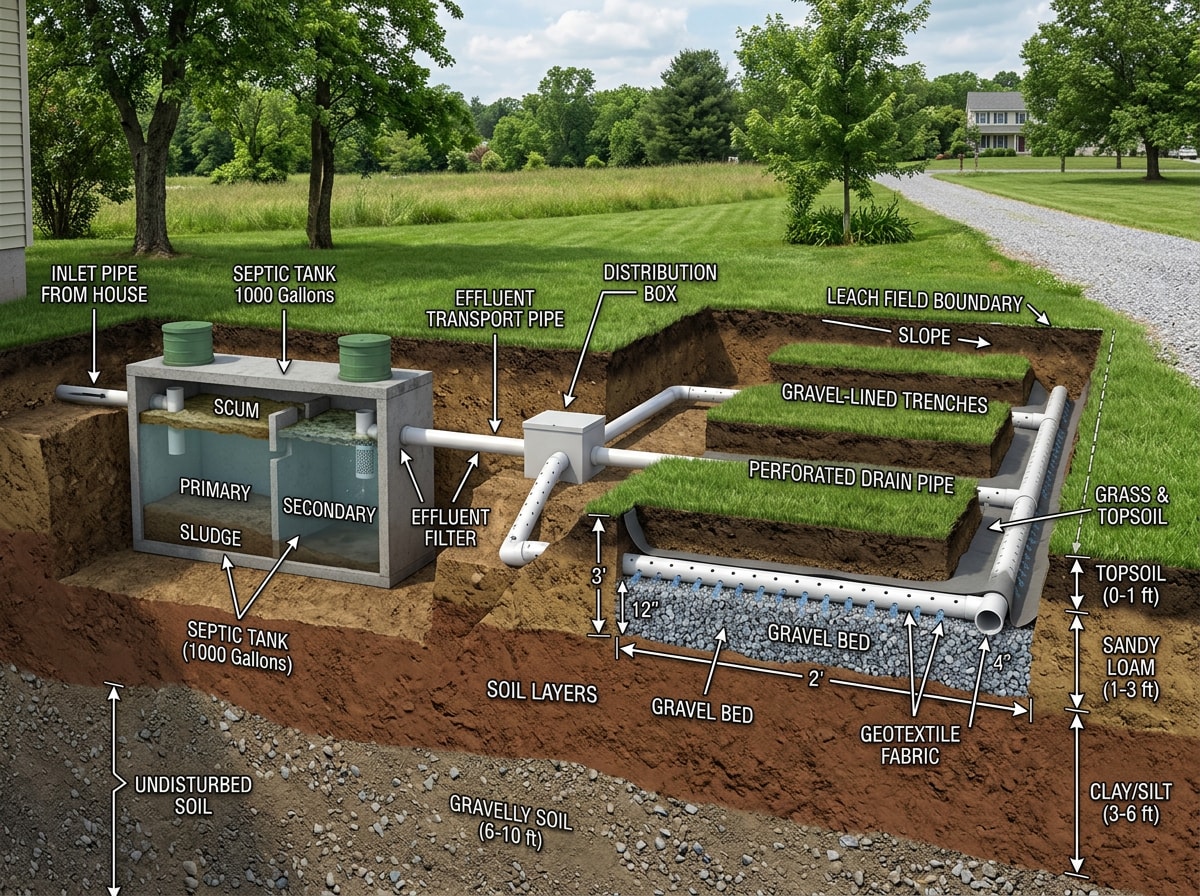
Illinois regulates septic installation more specifically than most homeowners expect. Under the state's Private Sewage Disposal Code, a 725 gallon septic tank minimum is required for 2 or less bedrooms, a 1000 gallon septic tank for 3 bedrooms, and a 1250 gallon septic tank for 4 bedrooms and up . The code also sets strict placement rules: all components of a septic system, including the tank and the drainfield, must be located at least 50 feet away from a private water supply well . You can review the full requirements in the Illinois Administrative Code's Private Sewage Disposal rules.
A typical installation sequence looks like this:
- Soil and site evaluation to confirm the land can support the system
- Permit approval from the local health department
- Excavation and tank placement, leveled and connected to inlet/outlet lines
- Drain field construction, with trenches lined in gravel and perforated pipe
- Final inspection before backfilling
For homes in surrounding unincorporated areas, the same permitting rules generally apply across Sangamon County.
Water Line Installation, Repiping & Gas Lines
New water line installation usually comes up during additions, remodels, or when extending service to a new fixture. Full repiping is a different project altogether. It's typically needed when galvanized or old copper lines show corrosion, chronic low pressure, or discolored water throughout the house.
Most Chatham installers now work with copper or PEX tubing. PEX tends to cost less and resists freezing better; copper has a longer track record and higher resale appeal in some markets. Both meet current code when installed correctly, so the decision usually comes down to budget and the layout of your home.
Gas line installation, meanwhile, is not a project to hand off to just anyone. Connecting a line to a stove, dryer, or outdoor grill requires understanding pressure testing, correct pipe sizing, and shutoff valve placement. A poorly sealed connection can lead to a dangerous leak, so confirming credentials before work begins matters more here than almost anywhere else in the house.
If you're not sure how your existing lines are routed, our guide to the house plumbing system diagram in Chatham, IL walks through where supply and drain lines typically run in local homes, which is useful context before any installer gives you a quote.
Fixture Installation
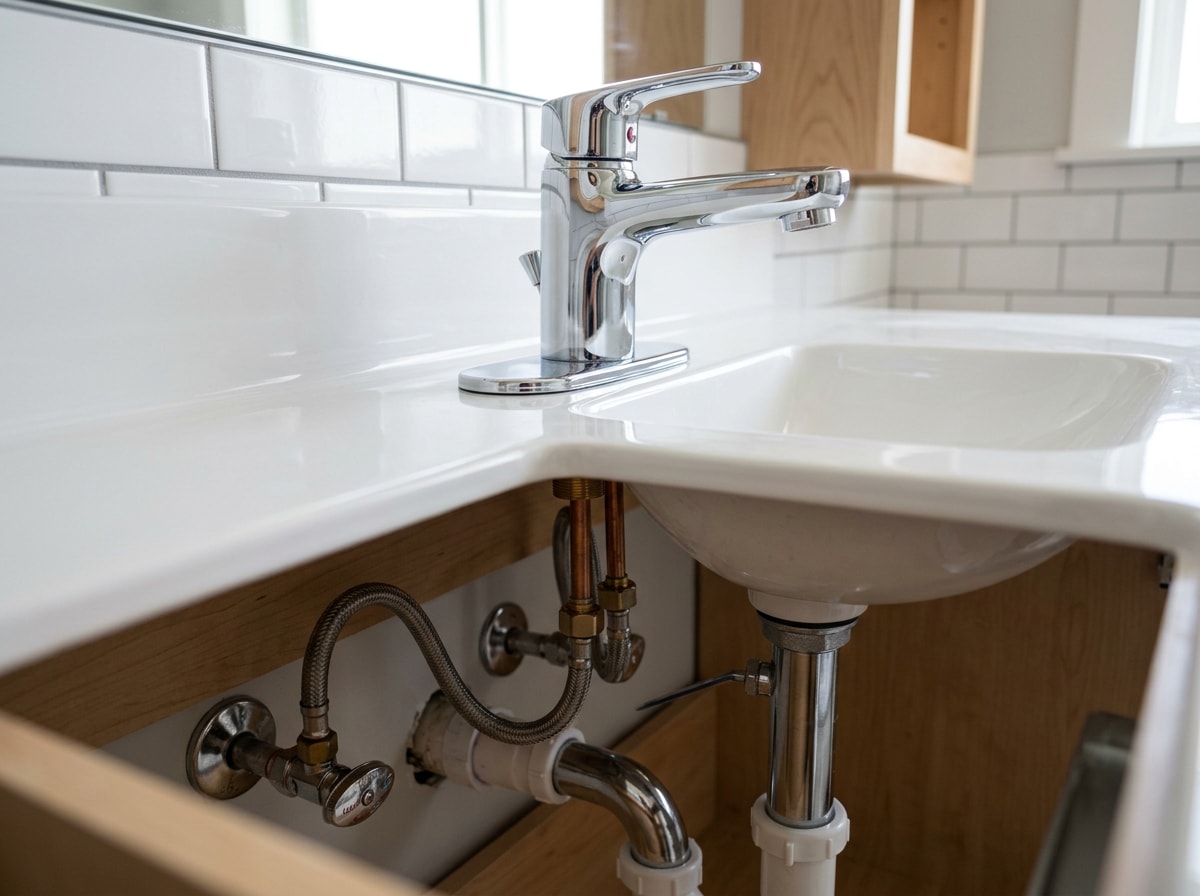
A professional fixture installation involves shutting off the water supply, removing the old unit, dry-fitting the new one, connecting supply lines with the correct fittings, and running a pressure test before calling the job done. Skipping that leak-test step is one of the most common DIY mistakes homeowners make.
Whether it's a toilet, faucet, or sink, a licensed plumber also confirms venting and drain slope meet code, which a quick online tutorial won't cover.
Cost of Plumbing System Installation in Chatham
Pricing varies by home age, access, and material choice, but these general ranges reflect what Chatham-area homeowners typically budget for before getting a firm quote.
| Installation Type | Typical Cost Range |
|---|---|
| Fixture installation (toilet, faucet, sink) | $150 to $600 per fixture |
| Tank water heater installation | $1,200 to $2,800 |
| Tankless water heater installation | $2,500 to $4,500 |
| Sump pump installation | $800 to $2,200 |
| Whole-house repiping (PEX or copper) | $4,000 to $15,000 |
| Septic tank and drain field installation | $5,000 to $15,000+ |
These are general estimates, not quotes. Get a written, itemized number for your specific home before signing anything.
Check Licensing and Insurance First
In Illinois, plumbers are licensed by the Illinois Department of Public Health, not a general contractor board, and there's no small-job exemption for licensed work. Before any installation begins, verify your installer's credential directly through the IDPH plumber license verification tool and confirm they carry liability insurance. Ask for license numbers and proof of coverage up front. An insured plumber protects you financially if something goes wrong mid-project, like water damage from a failed connection.
Compare Multiple Quotes
Get at least two or three written quotes before committing to an installation project. A legitimate estimate should itemize labor, materials, permit fees, and any anticipated additional costs, not just a flat total. Comparing quotes side by side makes it easier to spot one that's unusually low, which can sometimes signal corners will get cut.
Ask About Warranties
Manufacturer warranties cover defects in fixtures or water heaters themselves. A separate labor warranty from your installer covers the work of putting them in. Clear warranty terms tell you a company stands behind its work, not just the product it sold you.
Ready to get a number for your project? Get a free estimate before you compare bids.
Serving Chatham and Nearby Sangamon County Communities
Chatham's clay-heavy soil and older subdivisions mean installers here see a consistent pattern: aging galvanized supply lines in homes built before the 1980s, and basements that need sump protection regardless of how far they sit from a creek or drainage ditch. A plumber worth hiring typically covers the surrounding area too, including Springfield and the broader Central Illinois Region. This matters if you own rental property nearby or split time between locations, since you'll want one installer familiar with both your home and the local code amendments that apply to it.
Visit our Chatham, IL service area page for more on how we cover this community, or head to our homepage for a full list of what we handle.
This guide reflects general plumbing code and licensing information current as of 2026. Always confirm current requirements with your installer, as local amendments can change.
FAQ
What's the difference between plumbing repair and plumbing installation?
Repair fixes an isolated problem, like a leaking valve, without replacing the surrounding system. Installation means putting in something new, whether that's a fixture, a water heater, or an entire line. A plumber can tell you which path makes sense once corrosion, age, or recurring leaks are part of the picture.
How long does a typical water heater installation take?
Most tank water heater swaps take 2 to 4 hours. Tankless conversions take longer, often a full day, since they can require new venting or upgraded gas and electrical service.
Do I need a permit for a sump pump installation?
Many Illinois municipalities require a plumbing permit for sump pump installation, especially if it ties into an existing drain line. Check with Chatham's local building department or ask your installer to pull the permit as part of the job.
How do I verify a plumber is licensed in Illinois?
Illinois plumbers are licensed through the Illinois Department of Public Health, not a general contractor registry. Search the IDPH plumber license verification page by name or license number before hiring anyone for installation work.
Can I install a gas line myself?
No. Gas line installation requires pressure testing, correct pipe sizing, and shutoff valve placement that go beyond typical DIY skill. A poorly sealed connection can create a dangerous leak, so this work should always go to a licensed plumber.
How often do septic systems need to be evaluated after installation?
Illinois requires residential septic tank systems to be evaluated within three years of installation, and ongoing maintenance records should be kept after that. Check the state's Private Sewage Disposal Code for the full schedule that applies to your property.