
Commercial plumbing maintenance in Springfield, IL is what keeps restaurants, offices, retail stores, and multifamily properties open instead of closed with a sign taped to the door. A grease clog during lunch rush or a water heater that quits on a Monday morning costs far more than a missed inspection ever would. Here's what a real maintenance plan covers, how often Springfield properties actually need it, and what happens when it gets skipped.
Visit our homepage to see the full range of plumbing and mechanical services available to Springfield-area properties, or jump straight to scheduling a maintenance visit.
What's Included in a Commercial Plumbing Maintenance Plan
A maintenance plan is more than a once-a-year checkup. For commercial properties, it's a documented, repeatable process that catches problems while they're still cheap to fix.
A typical plan includes:
- Routine fixture, pipe, and valve inspections for leaks, corrosion, and loose connections
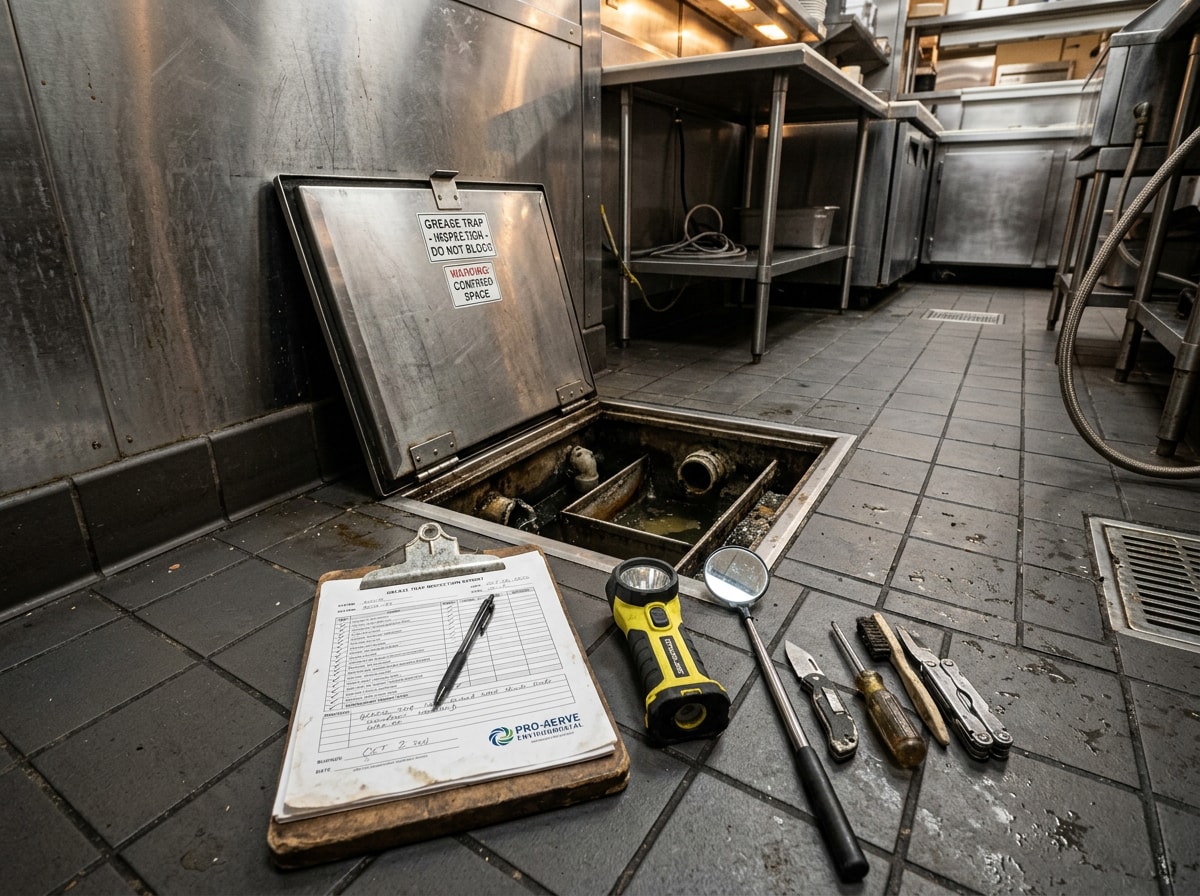
- Drain and sewer line cleaning, including grease trap service for food-service properties
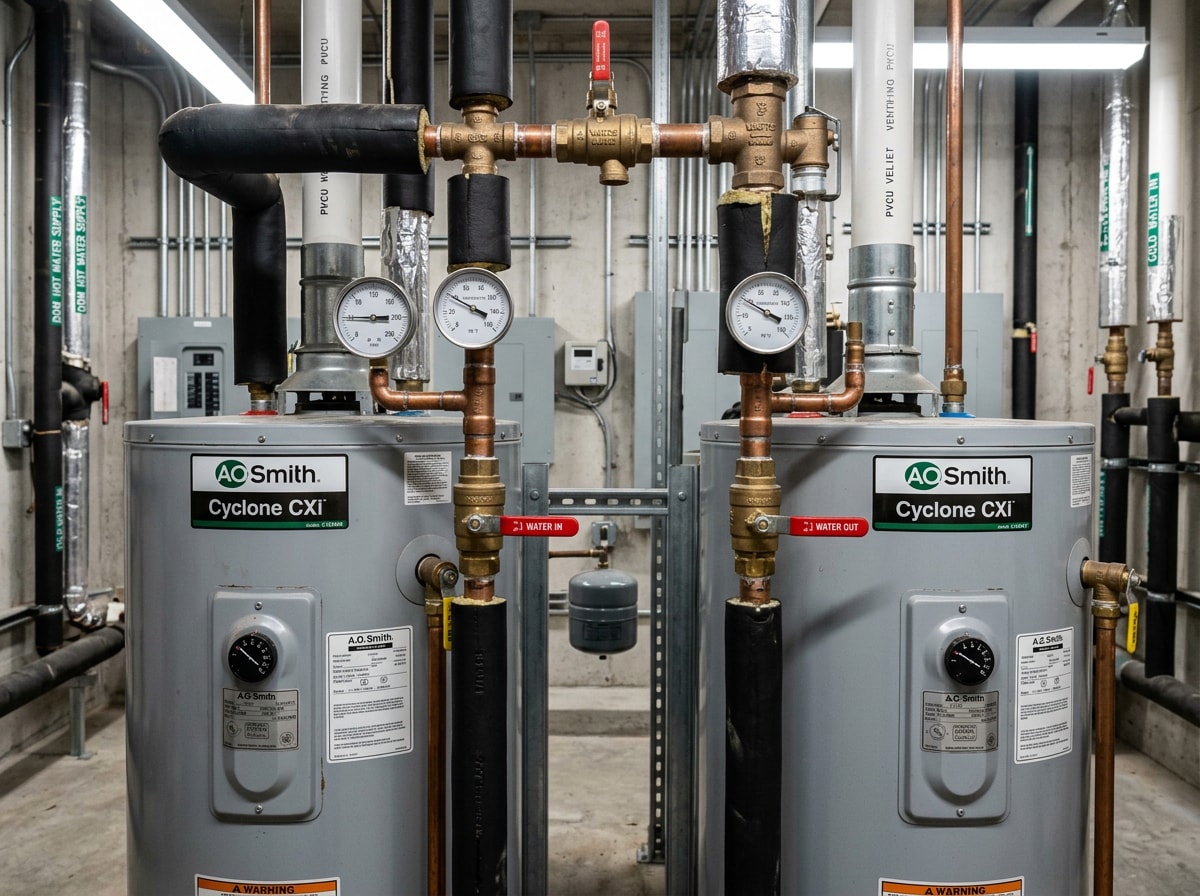
- Water heater flushing and inspection to remove sediment and catch failing components early
- Backflow prevention testing to protect the potable water supply at cross-connections
- Water pressure checks at multiple fixtures to catch supply-line problems before they cause damage
- Written documentation for insurance, lease compliance, and local code requirements
Property managers use this list to budget for upkeep instead of reacting to surprise repair bills.
How Often Springfield Commercial Properties Need Inspections
Not every property needs the same schedule. Water use, drain load, and the age of the building all factor into how often a system should be checked.
| Property Type | Recommended Inspection Frequency | Why |
|---|---|---|
| Restaurants & commercial kitchens | Quarterly | Grease traps and high drain volume demand frequent attention |
| Hotels, gyms, schools, healthcare | Semi-annual | Heavy water use and constant occupant turnover |
| Multifamily buildings | Semi-annual | Shared supply lines and frequent tenant turnover |
| Standard offices & retail | Annual | Lighter, more predictable fixture use |
Not sure which schedule fits your building? Get a Free Estimate and we'll build an inspection calendar around your property type rather than a generic default.
Drain and Grease Trap Maintenance
Commercial properties push far more water and waste through their pipes than a typical home, which makes drain cleaning a bigger priority than most owners expect. Restaurants in particular deal with grease buildup that a standard snake can't fully clear.
Hydro-jetting uses high-pressure water to scour commercial drain lines clean without harsh chemicals, and it's the standard tool for food-service lines and high-occupancy restrooms. Routine attention to these lines prevents backups that can shut down a kitchen or restroom in the middle of business hours.
Commercial Water Heater Maintenance
A commercial water heater that fails without warning can halt operations in a restaurant, salon, or medical office just as fast as a burst pipe. Regular flushing removes sediment buildup, and a periodic inspection catches corrosion or a failing heating element before it becomes a no-hot-water emergency.
Temperature setting matters too. The Department of Energy recommends a hot temperature setting of 120-degrees , which balances energy savings against scald risk for employees and customers. Water heater maintenance on a consistent schedule extends equipment life and avoids the cost of an emergency same-day replacement.
For a deeper look at how plumbing, HVAC, and electrical systems interact in commercial buildings across the region, see our guide to mechanical, electrical, and plumbing services in Central Illinois.
Common Commercial Plumbing Repairs Maintenance Visits Catch Early
Most emergency calls trace back to a handful of recurring issues:
- Slow leaks around fixtures and under sinks
- Worn or corroded supply lines
- Clogged drains from daily grease and debris buildup
- Failing backflow preventers, especially on exterior walls exposed to winter cold
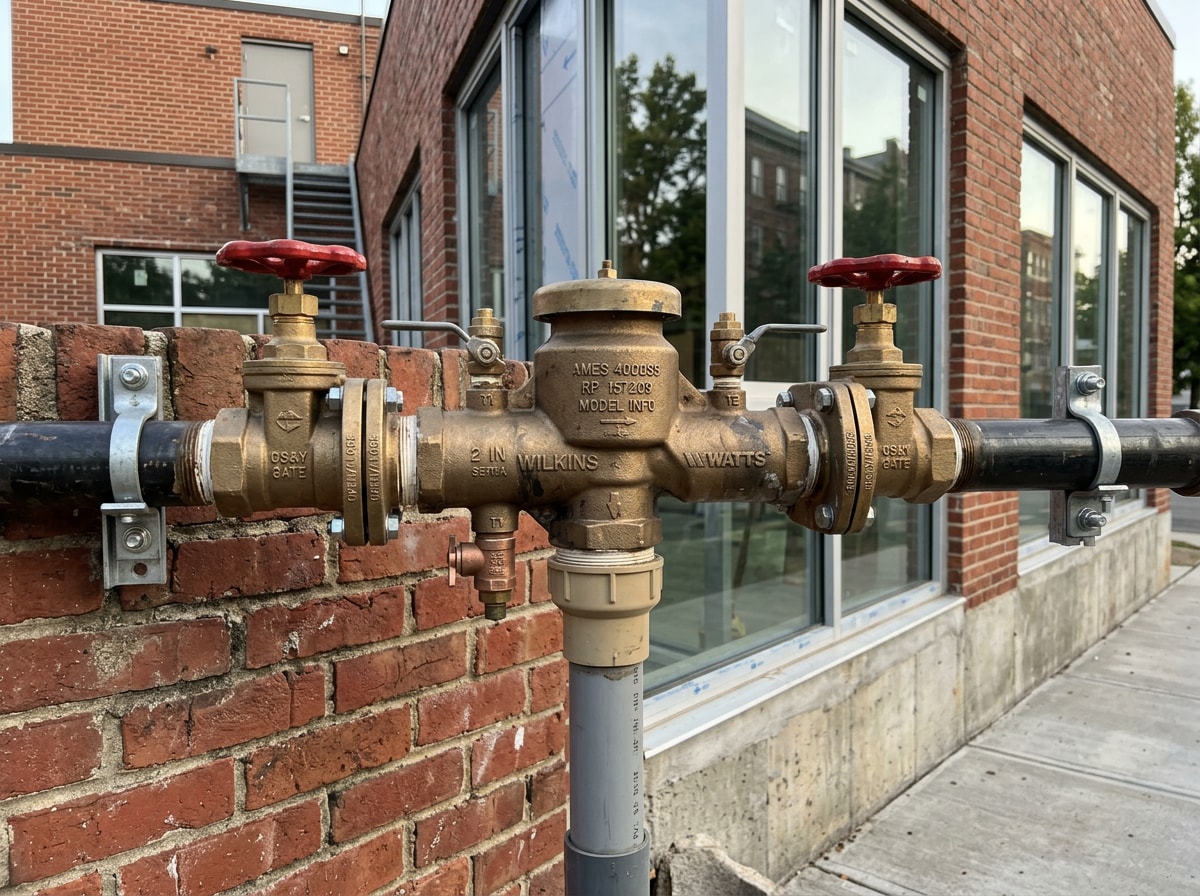
In our service calls across Springfield's commercial corridor, the backflow preventer sitting on an unheated exterior wall is one of the most common freeze-related failures we see every winter, and it's almost always preventable with a fall inspection. Leak repair done early is far cheaper than repairing the water damage that follows a leak left alone.
Why Springfield's Commercial Properties Face Different Plumbing Challenges
Property types across Springfield vary widely in water use and drainage demand, and building age adds another layer. Downtown structures often carry original piping that predates current code standards, while newer construction in Chatham and surrounding Sangamon County communities deals more with hard water scale and seasonal freeze-thaw stress on exposed lines.
Backflow and cross-connection protection is one area where code compliance isn't optional. Model plumbing codes require backflow protection wherever a cross-connection exists between the potable water supply and a potential contamination source , which covers everything from hose bibbs to boiler makeup lines in a typical commercial building. Keeping those assemblies tested and documented is part of staying compliant regardless of property type.
24/7 Emergency Plumbing Service
A burst pipe at a restaurant on a Friday night doesn't wait for business hours. That's why emergency availability matters as much as scheduled upkeep. Downtime costs a business revenue, not just inconvenience.
An emergency plan isn't a replacement for routine maintenance; it's the backup for what slips through anyway. Reading meters, using failure abatement technology, and conducting regular visual and auditory inspections are standard best practices for catching leaks early, and any leak that is found should be repaired quickly to avoid wasted water and higher utility bills. Ready to set up service? Contact our team anytime.
Why Springfield Businesses Choose Us for Commercial Plumbing Maintenance
Springfield business owners want a licensed plumber with real commercial experience, not a residential crew handling a side job. Insurance, equipment built for commercial-scale lines, and technicians who actually show up on the scheduled day all factor into that trust.
We serve commercial accounts throughout Springfield, IL, Sangamon County, Chatham, and the broader Central Illinois Region. That coverage matters for property managers overseeing more than one site on a shared maintenance calendar.
FAQ
How often should commercial plumbing be inspected in Springfield, IL?
Standard offices and retail spaces typically need one inspection per year. Restaurants, hotels, gyms, schools, and healthcare facilities need quarterly to semi-annual visits because of heavier water use and drain load. The right schedule depends on how hard a building's systems work day to day.
What does a commercial plumbing maintenance plan include?
A typical plan covers routine inspections, drain and grease trap cleaning, water heater flushing, backflow testing, and leak detection, along with documentation for insurance or lease compliance. This gives property managers a clear picture of what's covered instead of guessing at upkeep.
Are commercial plumbing maintenance plans worth the cost?
In most cases, yes. Predictable maintenance costs are easier to budget than an emergency repair bill plus the lost business that comes with unplanned downtime. Savings vary by property and usage, but fewer breakdowns and longer equipment life are the consistent payoff.
What happens if you skip regular commercial plumbing maintenance?
Small leaks go unnoticed, drains back up without warning, and water heaters fail at the worst possible time. Skipping maintenance can also create compliance issues with backflow testing requirements and forces businesses into emergency repair costs that run higher than scheduled upkeep almost every time.
Is backflow testing required for Springfield businesses?
Yes, if your property has a cross-connection, which most commercial buildings do through irrigation lines, boiler makeup water, or hose connections. Testing and documentation keep the property compliant with plumbing code and protect the building's potable water supply.