A catch basin drain in Sangamon County, IL pulls standing water off your lawn, driveway, or patio before it can sit there for days. Local clay soil and flat terrain give rainwater almost nowhere else to go once it hits the ground. Here's how these systems work, the warning signs worth acting on, and what installation actually runs here in 2026.
What a Catch Basin Drain Does for Your Yard
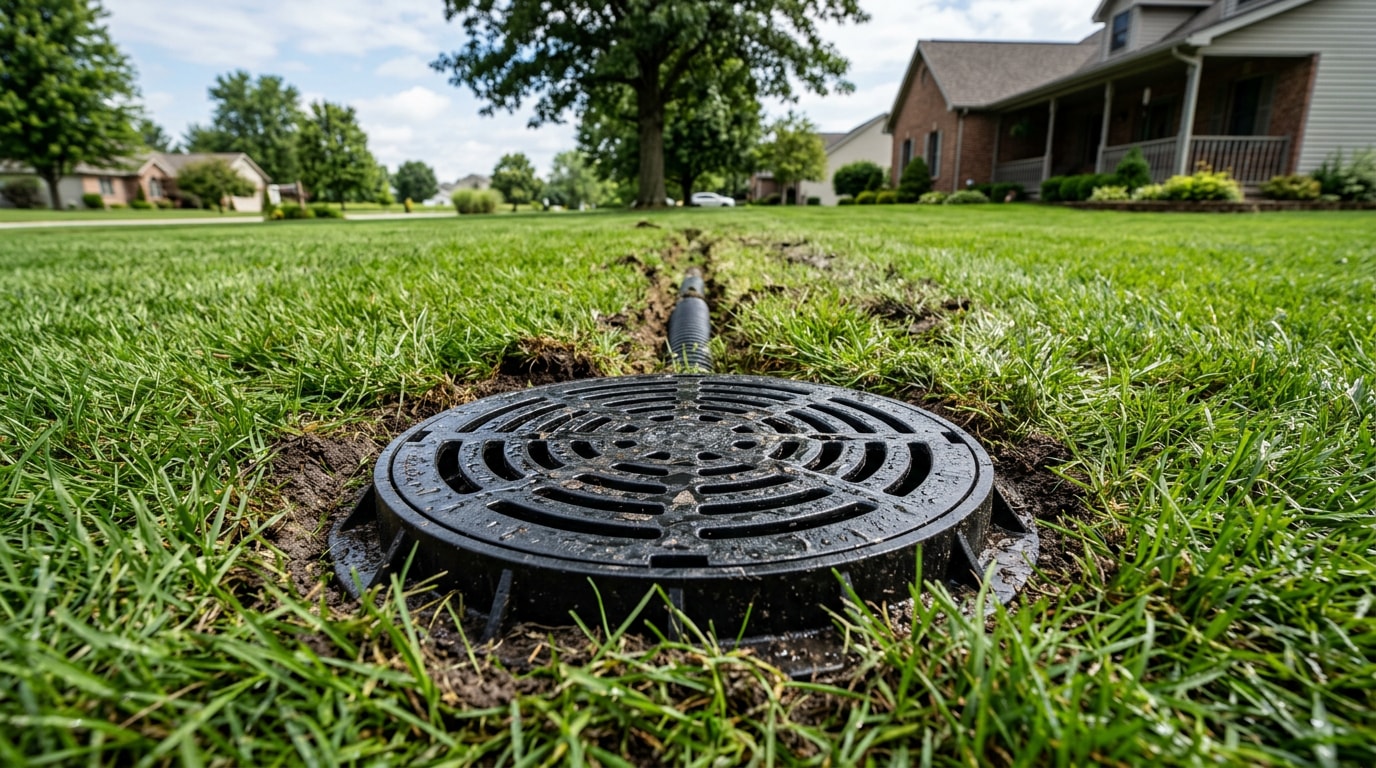
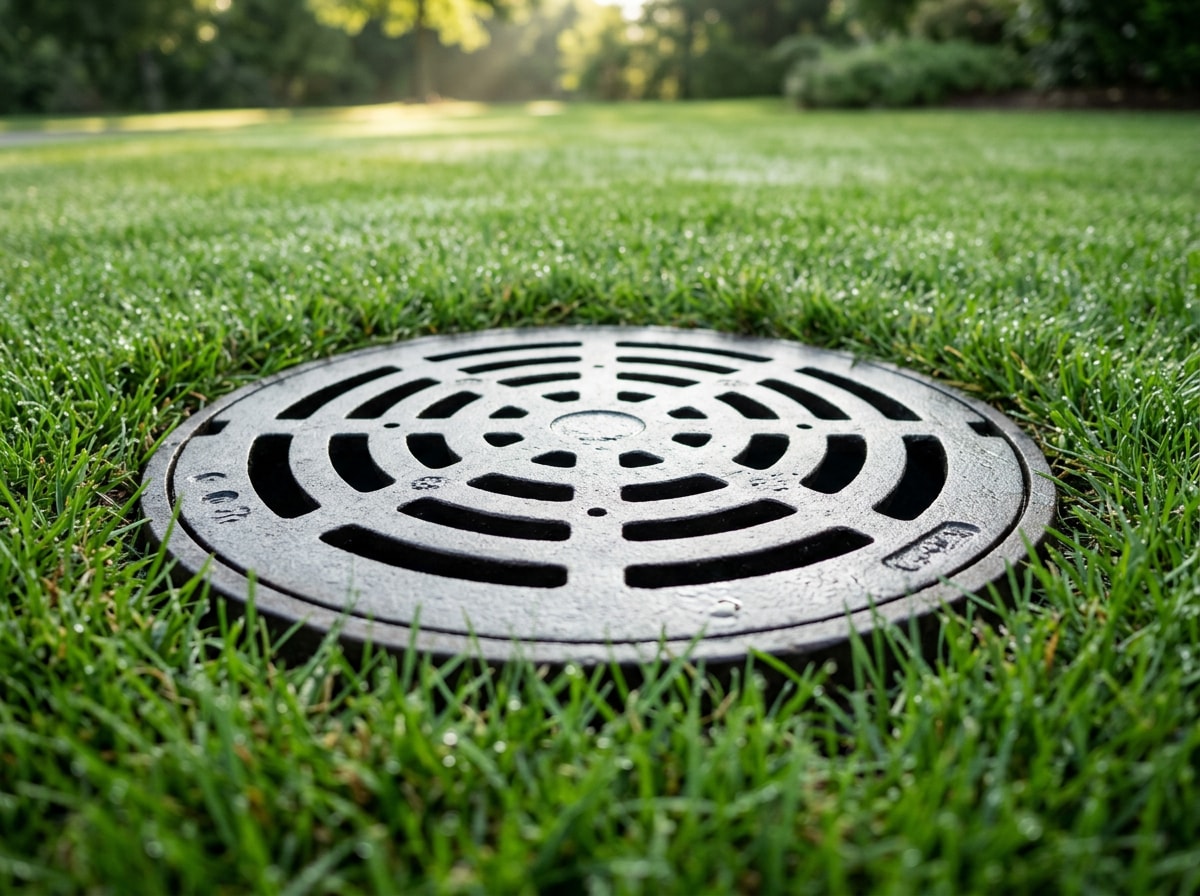
A catch basin is a below-ground box with a grated opening that collects surface water and moves it through connected piping to an approved outlet. It sits at the lowest point of a yard, catching runoff before it has a chance to spread or pool.
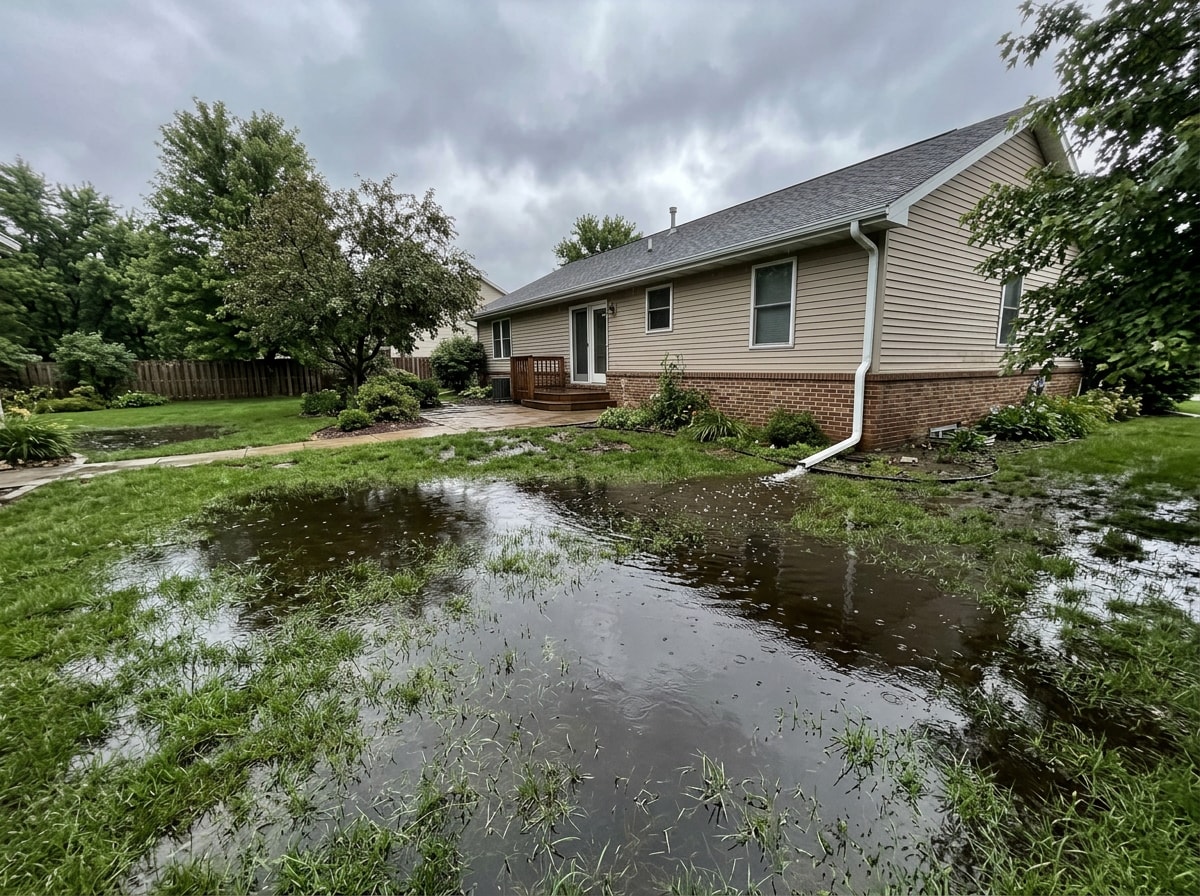
Sangamon County's geography works against homeowners here. Heavy clay soil absorbs water slowly, and the region's flat terrain gives rainwater few natural paths to escape. Add a few inches of rain from a spring storm, and even a well-kept lawn can hold water for a day or more.
A catch basin fixes that by giving water a planned exit instead of letting it find its own way, often straight toward your foundation.
3 Signs Your Yard Needs a Catch Basin
Three problems show up again and again on Sangamon County properties:
- Standing water that lingers more than 24 hours after rain
- Visible erosion or washed-out mulch beds where water is clearly moving fast
- Pooling near the foundation instead of draining away from the house
Standing water isn't just an eyesore. It breeds mosquitoes and smothers grass roots, leaving dead patches that are hard to regrow. Erosion means water is moving with enough force to carry soil and mulch with it, which slowly reshapes beds and undermines walkways.
Foundation pooling is the most serious of the three. Left alone, it can seep into basements or crawl spaces and contribute to cracked foundations over several seasons.
If any of this sounds like your yard, a phone call beats another flooded weekend. Get a free estimate and we'll walk the property with you before you spend money guessing.
Why Sangamon County's Clay Soil Makes This Worse
Clay soil isn't just slow to drain, it actively resists it. Clay is very good at preventing water from infiltrating into the soil profile, which leads to runoff and erosion problems , according to University of Illinois Extension. That's the mechanism behind every soggy yard in this region, not just bad luck with grading.
Federal guidance backs this up on the runoff side. Stormwater runoff is generated from rain and snowmelt events that flow over land or impervious surfaces, such as paved streets, parking lots, and building rooftops, and does not soak into the ground , per the EPA. Driveways, patios, and roof area all count, and most Sangamon County lots have more of that than bare soil.
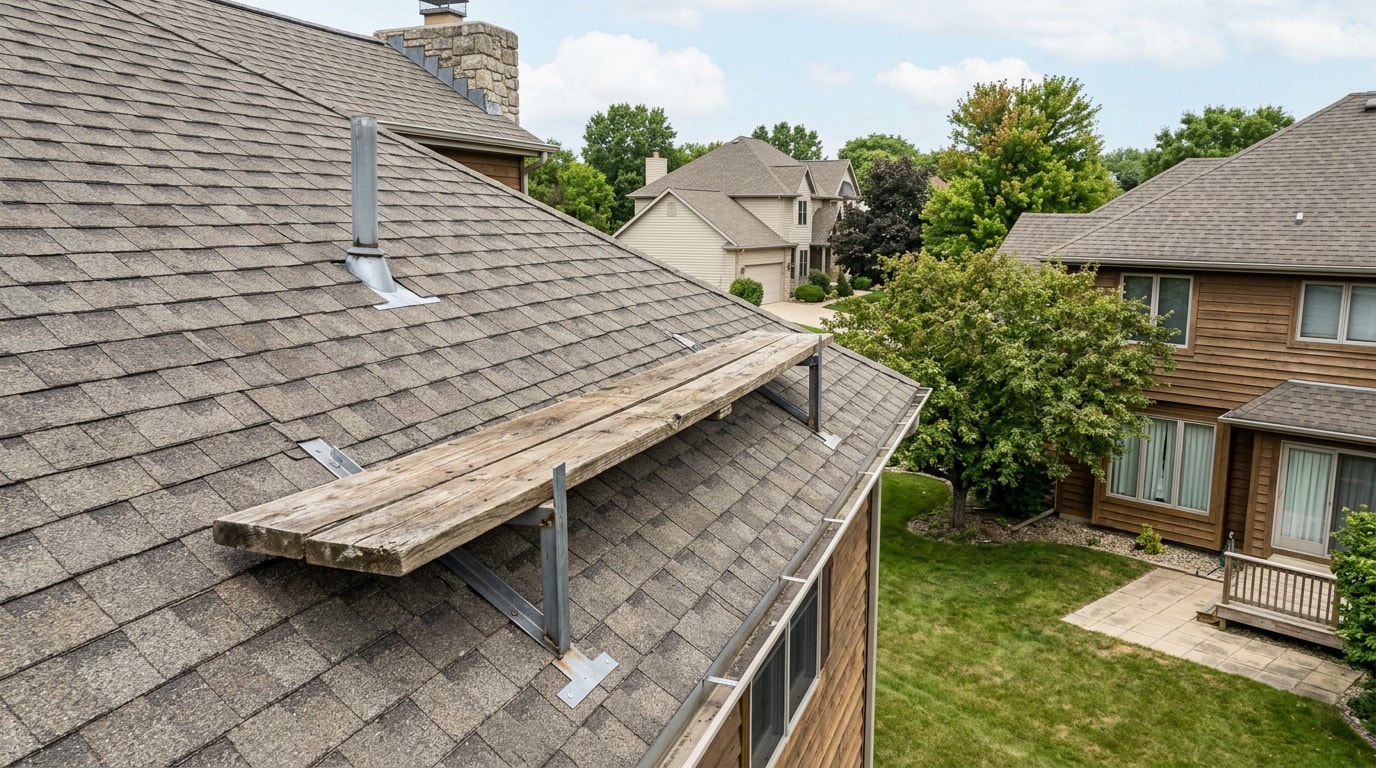
Here's something the generic drainage guides won't tell you: in the yards we inspect across this county, the catch basin usually isn't the failure point. It's a downspout dumping water three feet from the grate, overwhelming the inlet in the first ten minutes of a storm before the rest of the yard even starts draining. A catch basin paired with a properly routed downspout cleaning and downspout repair plan handles far more water than either one alone.
What Changes Before and After Installation
Before installation, most yards follow the same pattern. Water sheets across the lawn, collects in low spots, and slowly erodes soil near patios or garden beds. The ground stays soft and spongy for days after a storm.
After installation, that same rainfall drops straight into the hidden basin below the surface. Instead of pooling on top of the lawn, it's captured at the grate and carried away through piping before erosion gets a foothold.
Most homeowners see the difference on the first heavy rain. Yards that used to hold water for days now drain within an hour or two, and the erosion that was eating away at flower beds stops advancing.
Benefits of a Professionally Installed Catch Basin
Keeps Water Moving Instead of Pooling
A catch basin works as part of a larger system, directing water to a storm sewer, dry well, or other approved outlet instead of letting it sit. That keeps the surface of your yard usable after a storm instead of off-limits for a week.
Helps You Stay Within Local Drainage Rules
Many municipalities limit how much runoff a property can send onto a street or a neighbor's lot, and construction work that disturbs soil can trigger local stormwater permitting. The City of Springfield, for example, administers an MS4 stormwater permit program for qualifying construction activity, so it's worth checking with your municipality before any major grading or drainage work begins. A well-designed catch basin helps you stay compliant while still solving the flooding problem on your own property.
Holds Up Over Time
HDPE and PVC basins resist cracking better than older concrete designs through central Illinois freeze-thaw cycles, and setting the basin at the correct depth prevents frost heave from shifting it out of alignment. Get those two details right the first time, and a catch basin needs very little attention for years.
Why Professional Installation Beats DIY Here
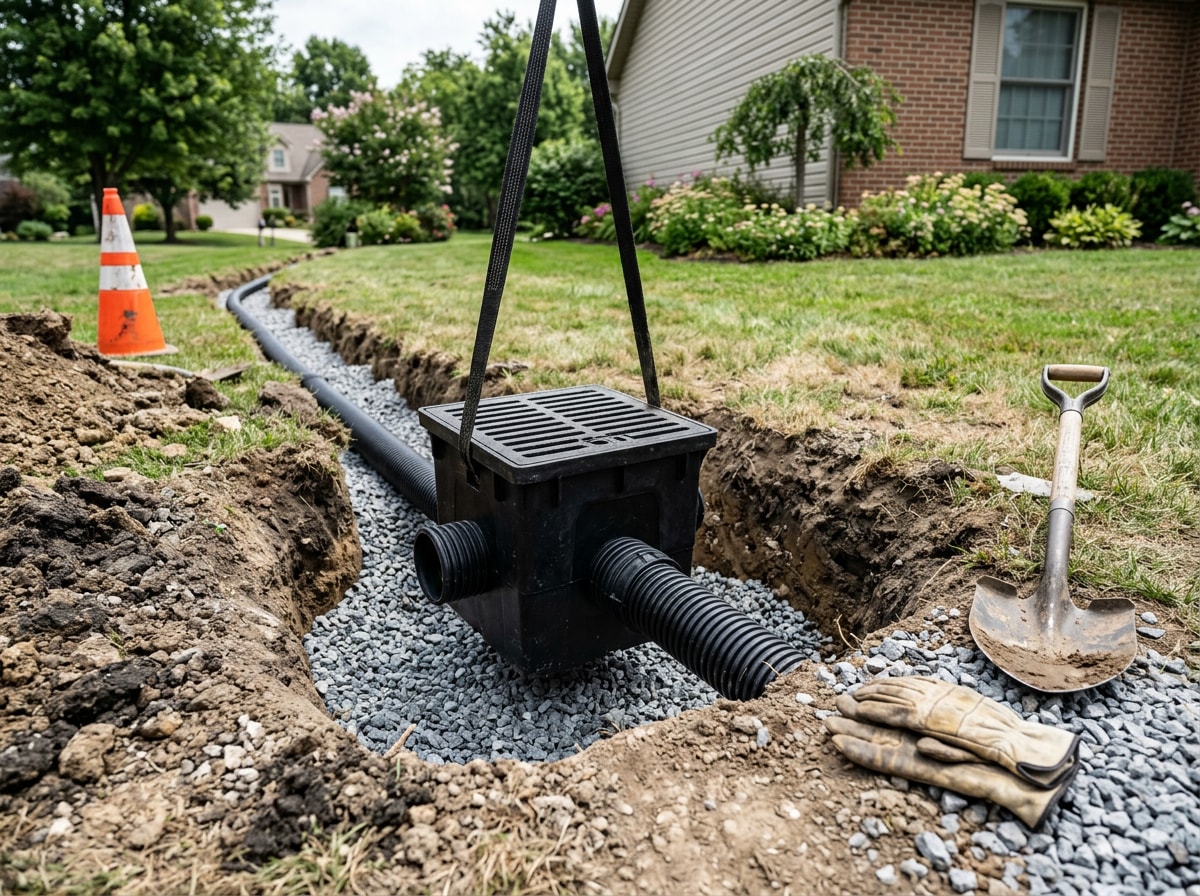
A few technical details separate a system that works from one that looks fine until it rains hard:
- Pipe slope needs a minimum fall of roughly 1% to 2% to keep water moving toward the outlet instead of stalling in the line.
- Gravel bedding under the basin has to be the right depth, or the basin settles unevenly within a season or two.
- Gasketed pipe connections stop joints from leaking or separating underground, where you can't see a slow failure happening.
Permitting also varies by municipality within Sangamon County. A contractor who works across the Sangamon County area regularly will already know which towns require a permit before digging starts, which saves you a stalled project later.
Catch Basin Repair: When It's Time to Fix Instead of Replace
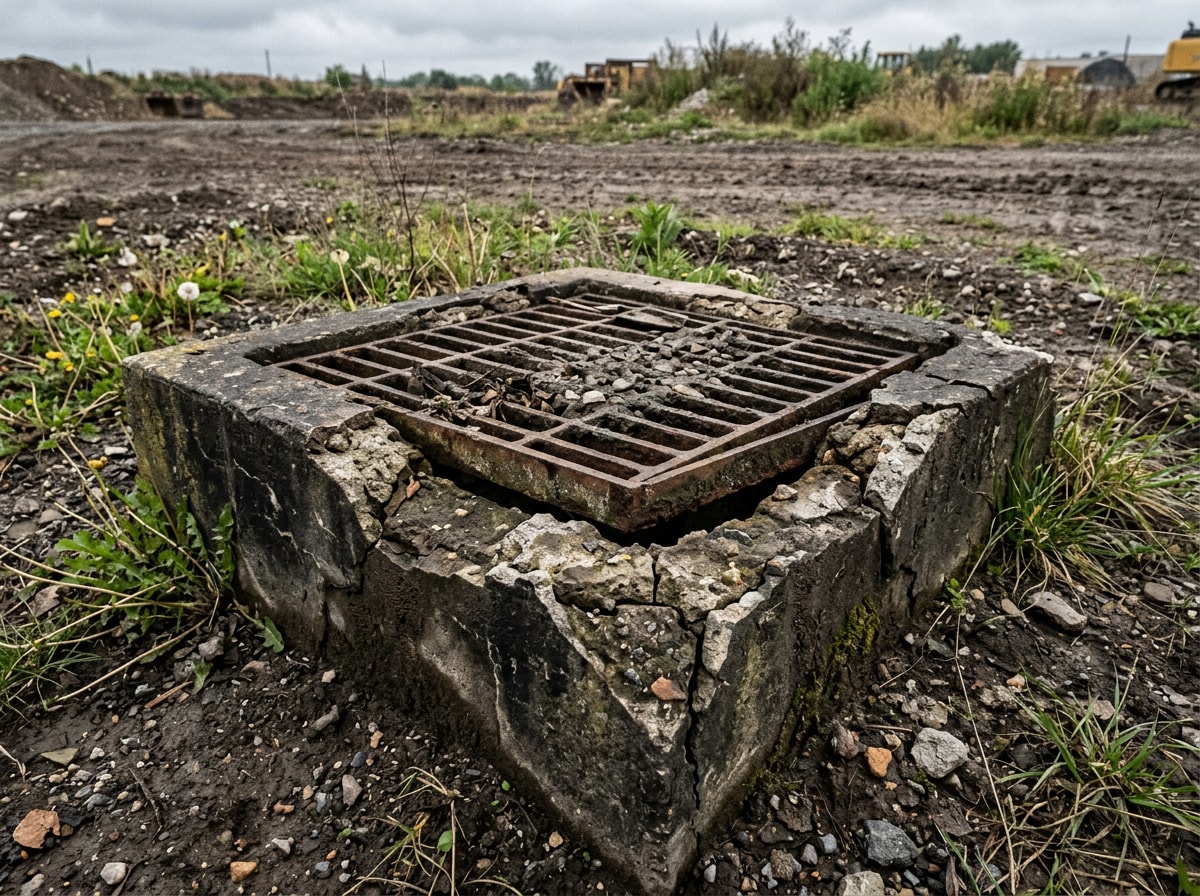
A cracked or misaligned catch basin leaks at the joints or stops collecting water the way it was designed to. Once that happens, the original flooding problem creeps right back, even though the basin is technically still there.
Older properties often need more than a patch. That can mean adding a second catch basin, re-routing piping that predates current grading, or replacing a worn inlet grate that no longer sits flush with the ground.
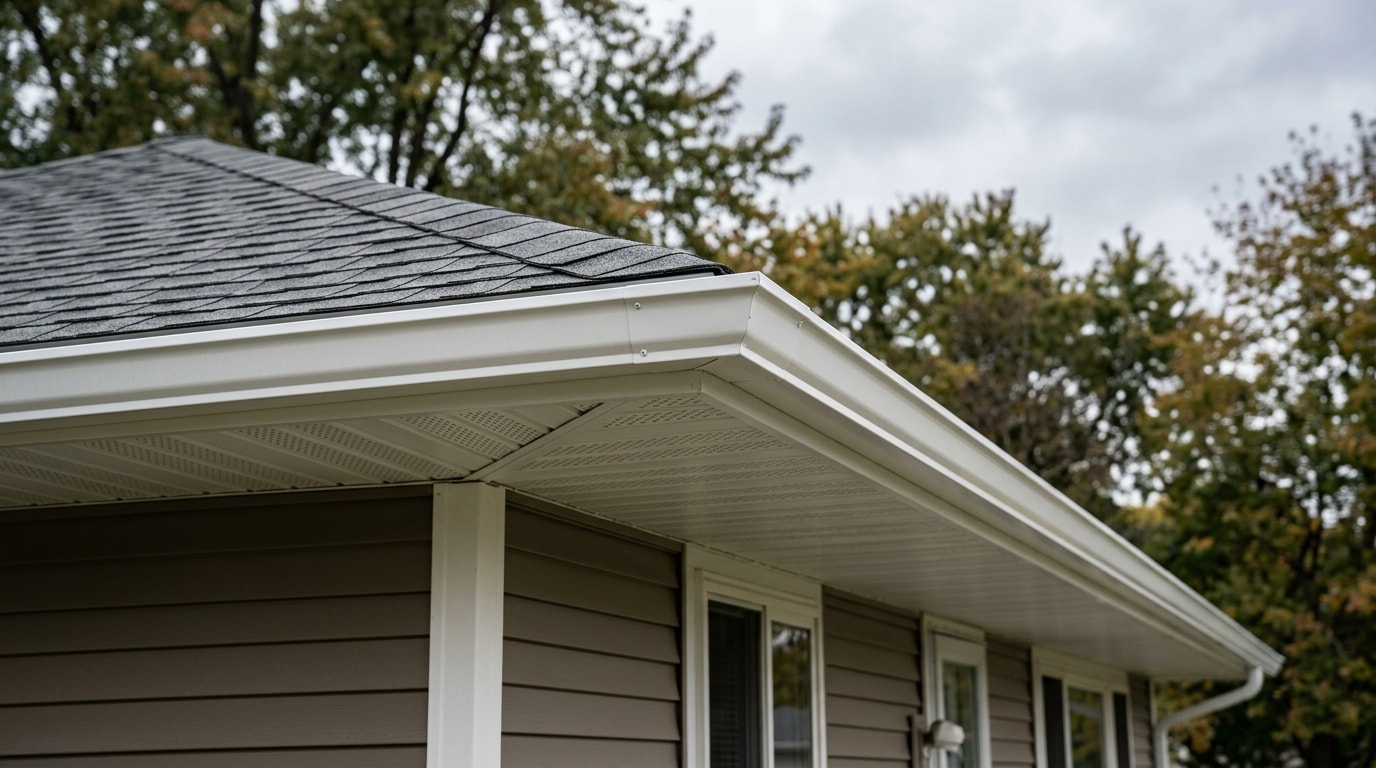
Routine checks catch small cracks or blockages before they turn into a full yard-wide drainage failure. If your gutters feed into the same system, a gutter inspection and basic gutter maintenance schedule are worth pairing with a basin check, since debris from one system often ends up clogging the other.
For issues further underground, our plumbing drain repair guide for Sangamon County covers what to expect when a drainage problem extends past the yard and into the home's plumbing.
Catch Basin Installation & Repair Costs in Sangamon County, IL (2026)
Pricing depends on basin size and material, depth, pipe run length, the number of inlets, and how difficult the soil is to excavate. These ranges are general guidance, not a guaranteed quote, since site access and soil conditions shift pricing in both directions.
| Project Type | Typical 2026 Price Range |
|---|---|
| Single catch basin repair or replacement | $400 – $900 |
| New single catch basin with piping to a storm sewer or dry well | $1,800 – $4,500 |
| Additional catch basin added to an existing system | +$500 – $1,500 per inlet |
Yard size, access for equipment, and how far the outlet point sits from the basin all move these numbers. A short on-site walk-through gets you a number specific to your property instead of a guess.
Request a free estimate and we'll give you an exact range before any digging starts.
How This Connects to Your Gutters and Downspouts
Catch basins rarely work in isolation on a typical Sangamon County lot. Roof runoff from a clogged gutter system often ends up as the exact surface water a catch basin has to manage. Keeping gutters clear, properly pitched, and connected to downspouts that discharge well away from the house reduces the load on any catch basin downstream.
If you're dealing with yard flooding and haven't had your gutters checked in a while, start there. Visit our homepage to see the full range of exterior drainage work we handle across Central Illinois, from gutters and downspouts to the grading and surface drainage that ties into them.
This guide is maintained by the Central Illinois Gutters field team, who inspect and repair gutter, downspout, and surface drainage systems throughout Sangamon County. Have a drainage problem that doesn't match what's described here? Contact us for a free on-site evaluation.
FAQ
What's the difference between a catch basin and a storm drain?
A catch basin is a localized collection point on private property, usually in a yard or parking lot, that captures surface water and feeds it into piping. A storm drain is typically the municipal system that the catch basin's outlet pipe ultimately connects to.
What are the two types of catch basins?
Sump-style basins have a lower chamber that traps sediment and debris before water exits, while flow-through basins skip the sump and let water pass straight to the outlet pipe. Sump designs work better in yards with heavy debris, and flow-through designs suit cleaner runoff areas.
How does a catch basin drain?
Water enters through a grate at the surface, drops into the basin chamber where heavier debris settles out, then exits through an outlet pipe connected to a storm sewer, dry well, or other approved destination. The grate keeps leaves and twigs from clogging the system downstream.
How do I find my catch basin?
Check the lowest points in your yard, areas near downspout discharge points, and any grated covers sitting at or near ground level. These are the most common spots for an existing basin or the best candidates for a new one.
Can I install a catch basin myself?
A DIY catch basin can work for a very small, simple problem, but it gets complicated fast. Calculating the right pipe slope, routing the outlet to a legal discharge point, and meeting local permitting rules are easy to get wrong without experience. For anything beyond a minor fix, professional installation tends to save money over the long run.
Who's responsible for maintaining a catch basin on private property?
The property owner is generally responsible for any catch basin located on their own lot, including the piping up to the point it connects to a public storm sewer. Basins within a public right-of-way or street are usually maintained by the municipality.
Do catch basins require maintenance?
Yes. Debris removal and a basin inspection once or twice a year keep the grate and connected piping clear. Skipping maintenance is one of the most common reasons a previously working catch basin starts failing again.