A toilet that keeps overflowing after flush in Chatham, IL homes almost always traces back to one of five things: a clog, a blocked vent, a bad fill valve, a worn flapper, or a sewer/septic backup further down the line. Figure out which one you're dealing with and the fix is usually quick. Guess wrong, and you'll be mopping the same floor again by tomorrow.
Is It a One-Time Overflow or Does It Happen Every Flush?
A single overflow is usually nothing more than a one-time blockage, too much paper, a wipe that shouldn't have gone down, or a kid's toy that found its way into the bowl.
An overflow on every single flush is a different animal. That pattern means something mechanical or structural is actually broken, not just clogged for one flush cycle.
Why the distinction matters:
- One-time overflow: A plunger and a few minutes usually solves it.
- Every-flush overflow: The clog is deeper, a tank part has failed, or the problem is outside the toilet entirely (vent, sewer line, or septic tank).
If you're in the second category, skip ahead to the causes below instead of plunging the same spot for the fifth time.
Common Causes of a Toilet Overflowing After You Flush in Chatham, IL Homes
Most calls we get for this exact problem land on one of four causes. Here's how to tell them apart.
Clogged Drain or Toilet Trap
A plunger is the right first move. Use a flange-style plunger, get a full seal over the hole, and push in short, forceful bursts rather than slow pumps.
A trick that works well on simple clogs: press the open mouth of an empty two-liter bottle against the drain opening and squeeze hard. The blast of air can knock loose a blockage that's stuck in the trap.
If plunging twice doesn't clear it, the clog has probably moved past the trap and into the drain line, which needs an auger.
Blocked Vent Pipe (the one most homeowners miss)
This is the cause that gets skipped in a lot of overflow write-ups, but it shows up constantly in Chatham's older subdivisions. Every toilet relies on a vent pipe running up through the roof to let air into the drain system. When that vent gets clogged with leaves, a bird's nest, or ice in winter, the drain can't move air and water fast enough, and the toilet backs up even though nothing is technically blocking the bowl itself.
Signs it's the vent and not the trap:
- Gurgling sounds from the toilet or nearby sink/tub after flushing
- The toilet clogs more often than it used to, even with normal use
- A faint sewer smell near the roof vent or in an upstairs bathroom
Clearing a vent pipe means getting on the roof with a plumber's snake, which isn't a weekend DIY project for most homeowners. This one almost always needs a professional.
Fill Valve Malfunction or Failure
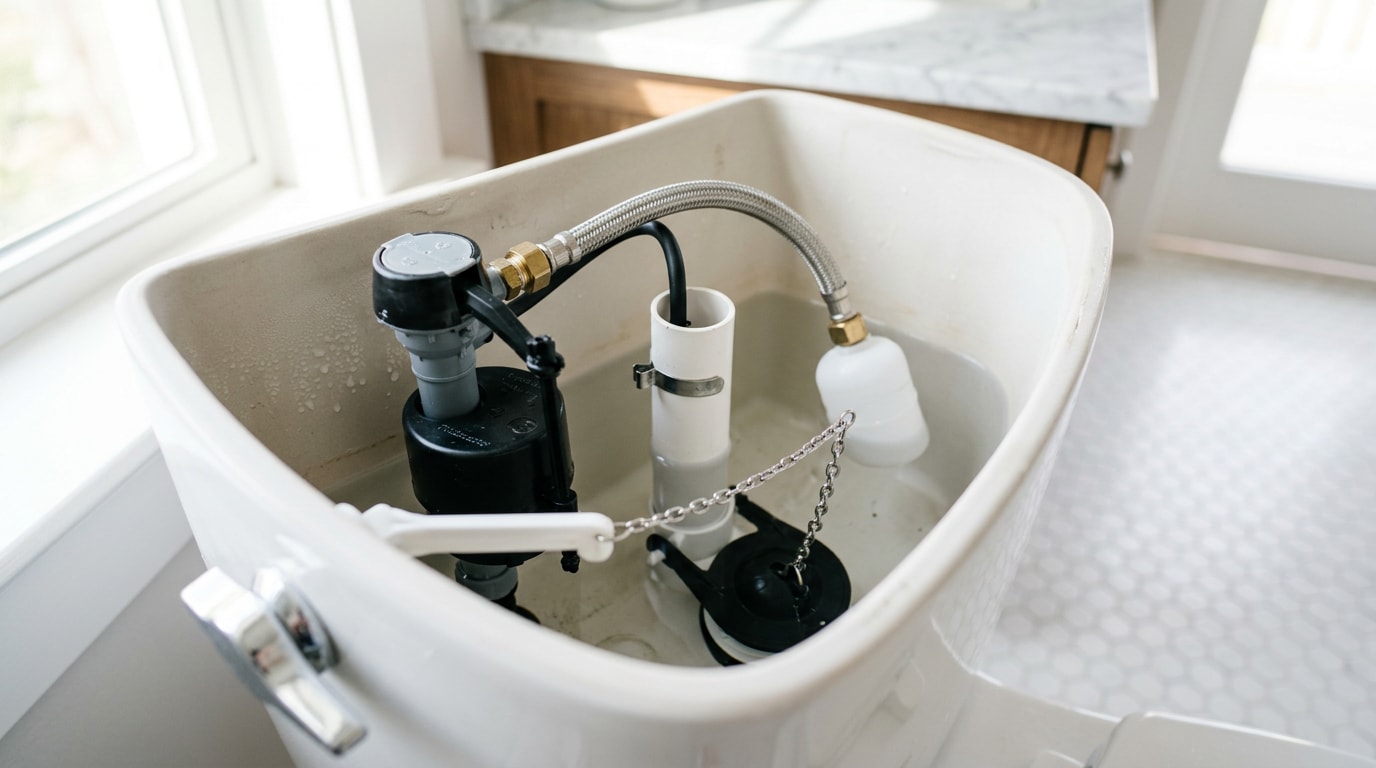
The fill valve refills the tank after every flush. When it fails, water keeps running past the point it should shut off, and that extra volume has to go somewhere, usually over the tank or into the bowl.
Most toilet manufacturers specify that the water level should sit roughly one inch below the top of the overflow tube. The federal plumbing code that governs flush tank overflows requires the overflow opening to sit above the fixture's flood level rim so standing water can never collect in it under normal use, which is the broader safety principle behind that manufacturer spec.
The Flapper Isn't Sealing the Tank
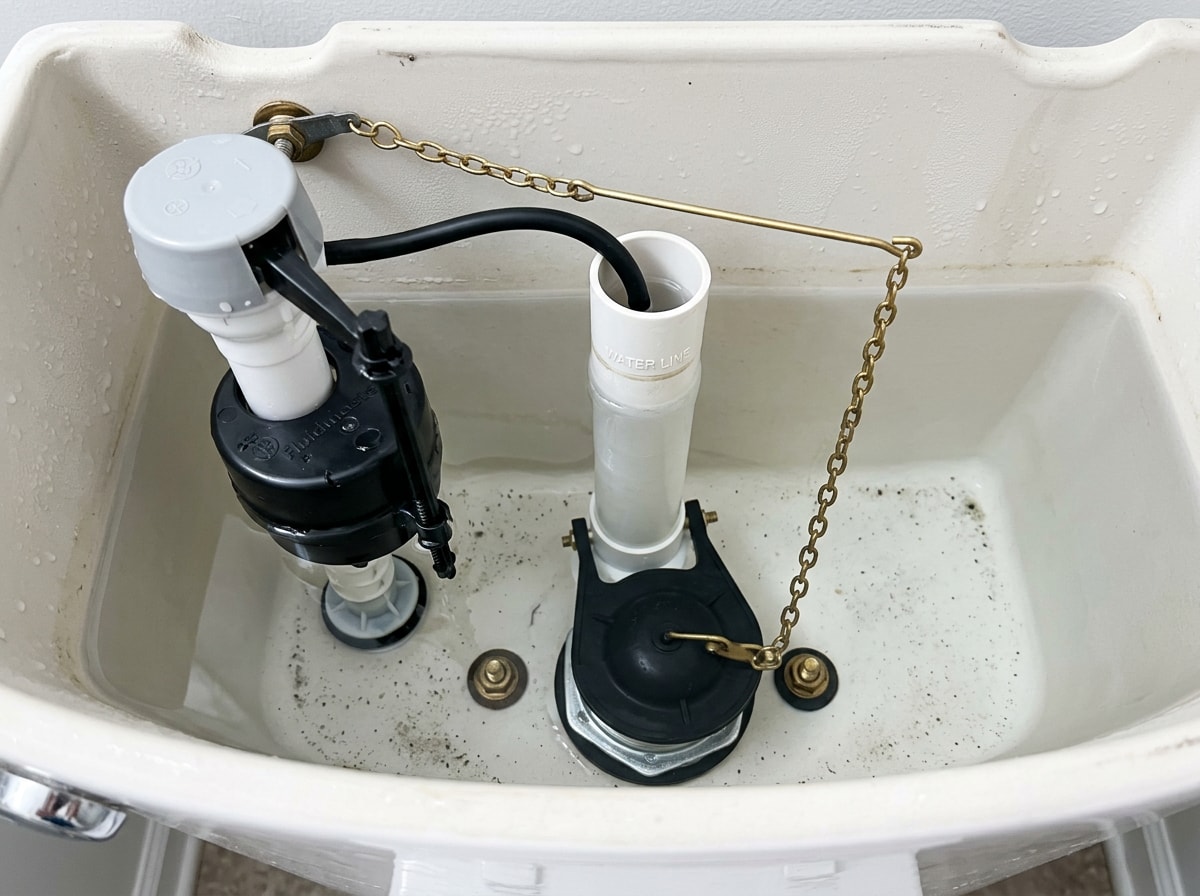
The flapper is the rubber valve at the bottom of the tank. It lifts when you flush and should drop back down to seal the tank. When it doesn't, water leaks continuously into the bowl, either raising the bowl's water level or forcing the fill valve to run nonstop.
Usual culprits: a worn flapper, a kinked or too-short chain, or mineral buildup around the seal. Flappers cost a few dollars and take under fifteen minutes to swap.
Why Is My Toilet Overflowing But Not Clogged?
No visible clog usually points to a mechanical failure instead of a physical blockage. A running fill valve or a float set too high lets water rise past the shutoff point with nowhere to drain.
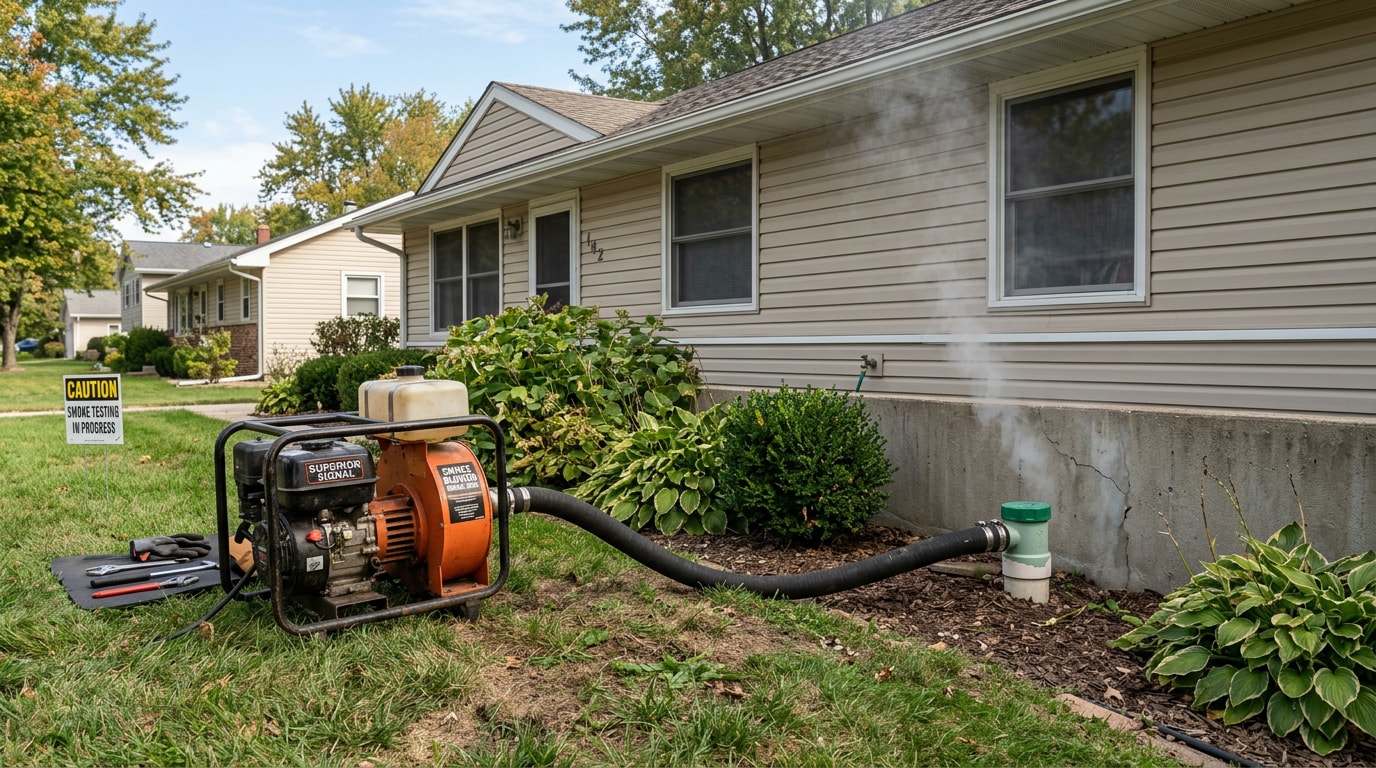
There's a second possibility worth ruling out fast: a backed-up main sewer line. If sinks, tubs, or showers elsewhere in the house are also draining slowly or gurgling, the problem isn't the toilet anymore, it's the line everything shares. Homes on well and septic systems, common throughout the Central Illinois Region, have one more possibility to check: a full septic tank. The EPA notes that a malfunctioning or overloaded septic system can cause wastewater to back up into the house through drains and toilets rather than draining away normally.
Immediate Steps to Take When Your Toilet Is Overflowing
Act fast, in this order:
- Shut off the water. Turn the valve behind the toilet clockwise.
- Lift the tank float. Remove the lid and hold the float up to stop more water from entering the bowl.
- Don't flush again. That only adds more water to a bowl that's already full.
- Contain the spill. Towels or a wet/dry vacuum keep water from spreading to the subfloor.
Sewage Near the Shutoff Valve? Lower the Float Instead
If there's any contaminated water near the shutoff valve, don't touch it. Reach into the tank and lower the float by hand instead, keeping the water level below the overflow tube until it stops rising. The CDC advises avoiding direct contact with any standing water that may contain sewage, since it can carry bacteria, parasites, and viruses capable of causing illness.
How to Fix an Overflowing Toilet, Step by Step
- Shut off the water valve so nothing new enters the tank.
- Use a flange plunger with short, forceful bursts to build pressure against the clog.
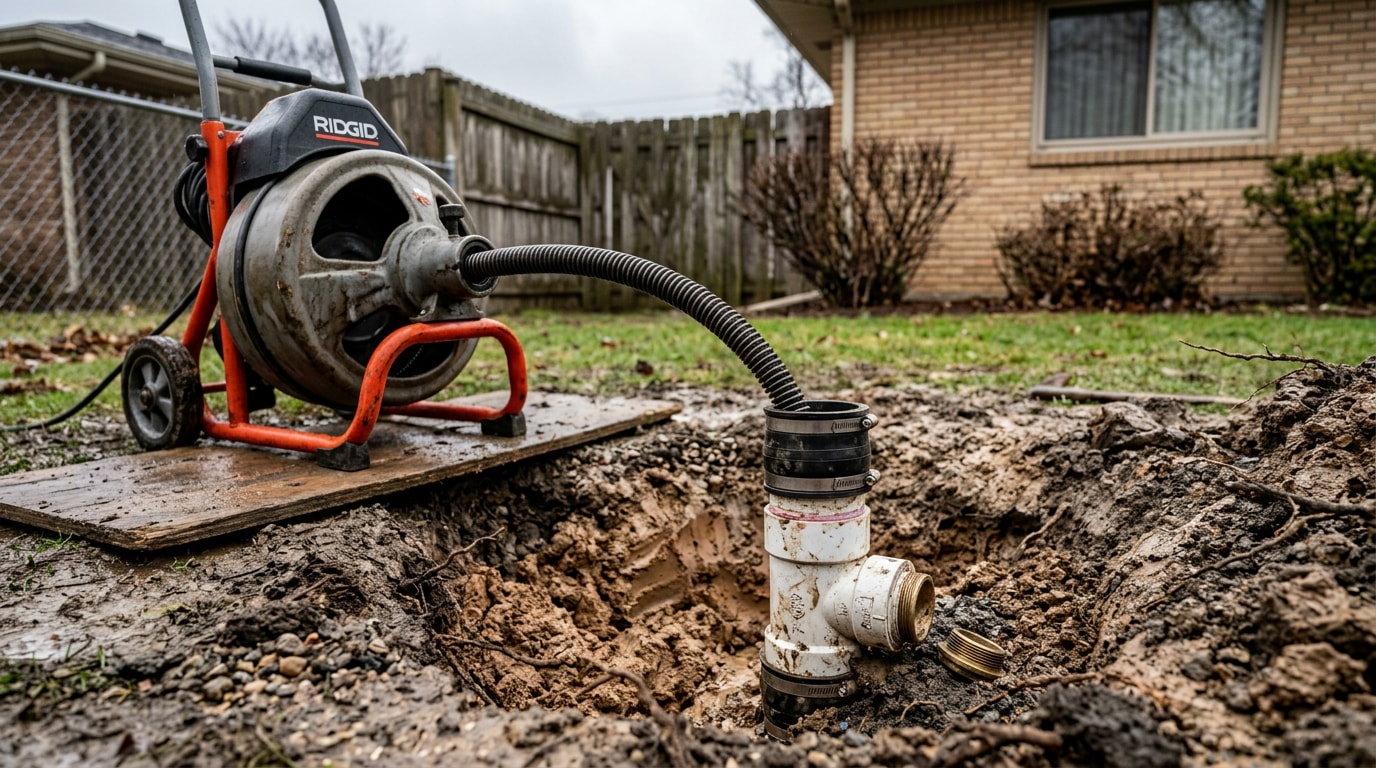
- If that fails, run a closet auger further into the trap and drain line.
- Test with a single flush before declaring it fixed.
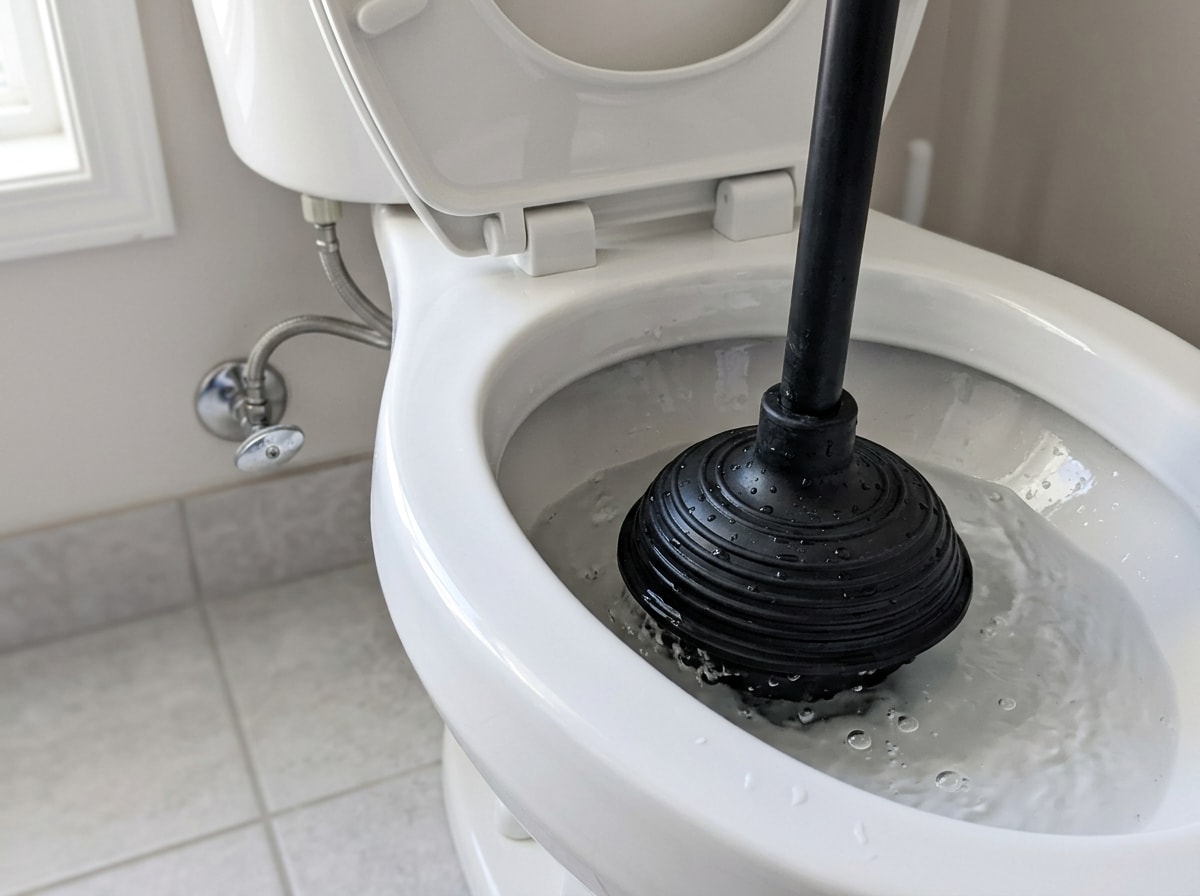
Not every tool fits every clog. Here's a quick breakdown:
| Tool | Best For | Typical Time |
|---|---|---|
| Flange plunger | Simple clogs near the trap | 2–10 minutes |
| Closet auger | Clogs deeper in the trap or drain | 10–20 minutes |
| Plumber's snake (vent access) | Blocked roof vent pipe | Professional only |
| Licensed plumber | Recurring overflow, hidden clogs, sewer/septic issues | Same-day to next-day |
When to Call a Professional Plumber
Call a plumber if plunging and augering don't clear it, if the overflow keeps happening after you've "fixed" it, or if you suspect a blocked vent, sewer line, or septic backup. A licensed plumber has camera equipment and augers that reach well beyond what a household plunger ever will. If you're in Chatham and need someone fast, see what a true 24-hour emergency plumber actually covers before you call the first number you find.
If It Keeps Happening After You Fix It
You plunged it, cleaned up, and thought it was done, then the very next flush overflows again. That pattern almost always means the real blockage sits further down the line than a plunger can reach.
If Sewage Starts Backing Up While You Plunge
Stop immediately if wastewater comes up instead of clean water. Raw sewage can carry E. coli, salmonella, giardia, and Hepatitis A, and exposure is a real health risk, not something to push through.
If Multiple Fixtures Are Affected
More than one toilet or drain backing up, or gurgling from a sink or tub while you plunge, points to a shared-line problem, not a single-fixture clog. That's a sewer or septic issue, not a plunging problem.
How to Prevent Future Toilet Overflows in Chatham, IL
A few habits cut your odds of ever dealing with this again:
- Use less toilet paper per flush, and never flush wipes, even ones labeled "flushable"
- Check the flapper and fill valve a couple of times a year for wear
- Before winter, confirm the roof vent isn't at risk of ice blockage, since a frozen vent mimics the same symptoms as a clog
- If you're on well or septic, as much of Chatham and the surrounding Central Illinois Region is, have the tank inspected annually; a full tank will cause overflow that no amount of plunging fixes
In our service calls around Chatham, the two causes that get missed most often are blocked vents and septic tanks nearing capacity, both because the toilet looks fine from the bowl down. If you've checked the usual tank parts and it's still happening, it's worth having someone look at the whole system rather than replacing the same flapper twice. Get a free estimate and we'll tell you straight whether it's a five-minute fix or something bigger.
FAQ
Why does my toilet overflow even when it's not clogged?
A faulty fill valve, a misaligned float, or a water level set too high can all cause overflow with no visible blockage. A blocked vent pipe can do the same thing by disrupting drainage, even though the trap itself is clear.
Is it normal for a toilet to overflow after every flush?
No. Regular overflow points to a high water level, a bad flapper, a hidden clog, a blocked vent, or a septic issue. Ignoring it risks water damage to floors, subfloors, and ceilings below.
Why does my toilet keep overflowing even after plunging?
If plunging doesn't stop it, the blockage has likely moved past the trap and into the drain line, vent stack, or main sewer, exactly the situations that need a professional plumber rather than another plunging session.
What does a blocked vent pipe sound or feel like?
Gurgling from the toilet or nearby drains after a flush, more frequent clogging than usual, and a faint sewer odor near the roof vent or in an upstairs bathroom are the three most common signs.
Do I need to call a plumber when my toilet overflows?
For a one-time clog, usually not. For anything recurring, or any sign of a vent, sewer, or septic problem, yes. A plumber can clear blockages a plunger can't reach and check for less obvious causes like tree roots or a cracked pipe.
---
This guide was written with input from the plumbing technicians at Central Illinois Gutters, who handle toilet, drain, and septic calls throughout Chatham, Sangamon County, and the wider Central Illinois Region. Have a question about your specific setup? Contact our team and we'll walk through it with you.