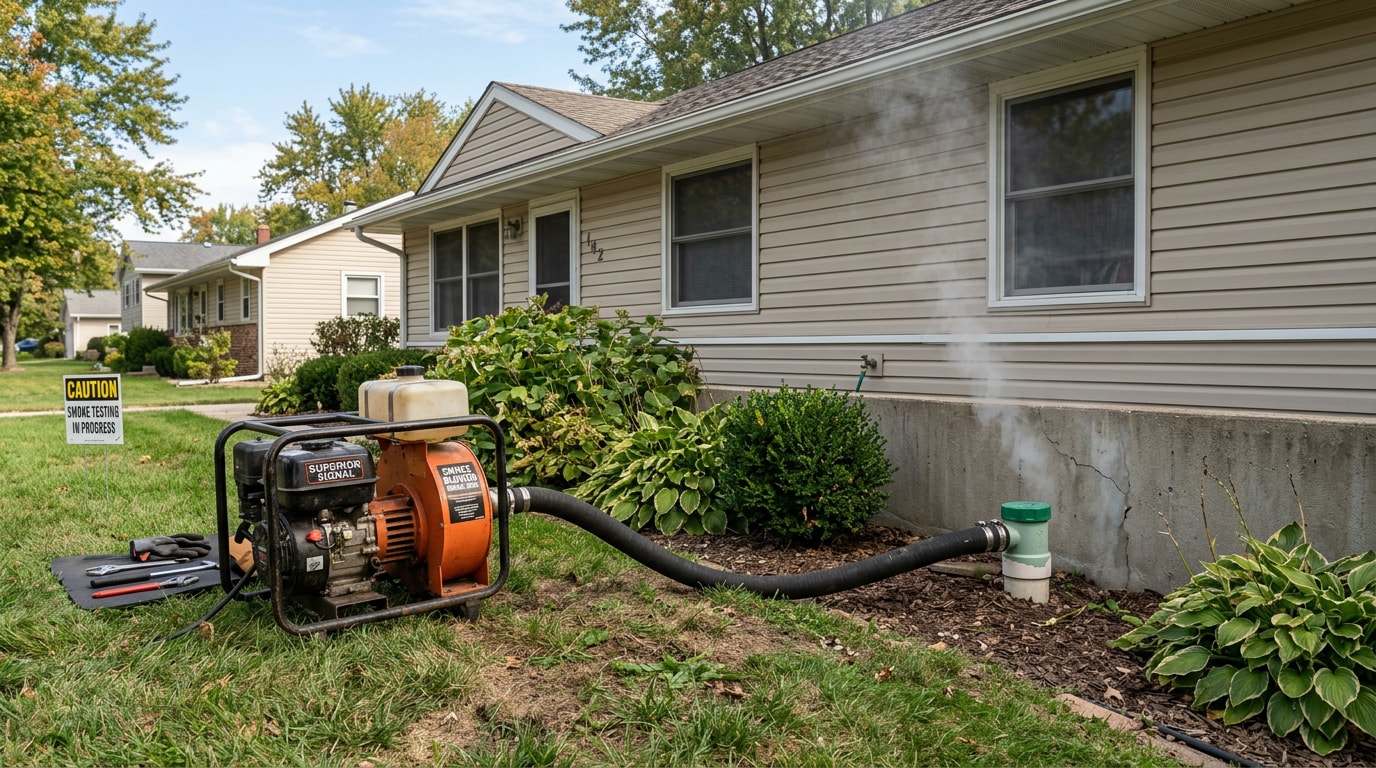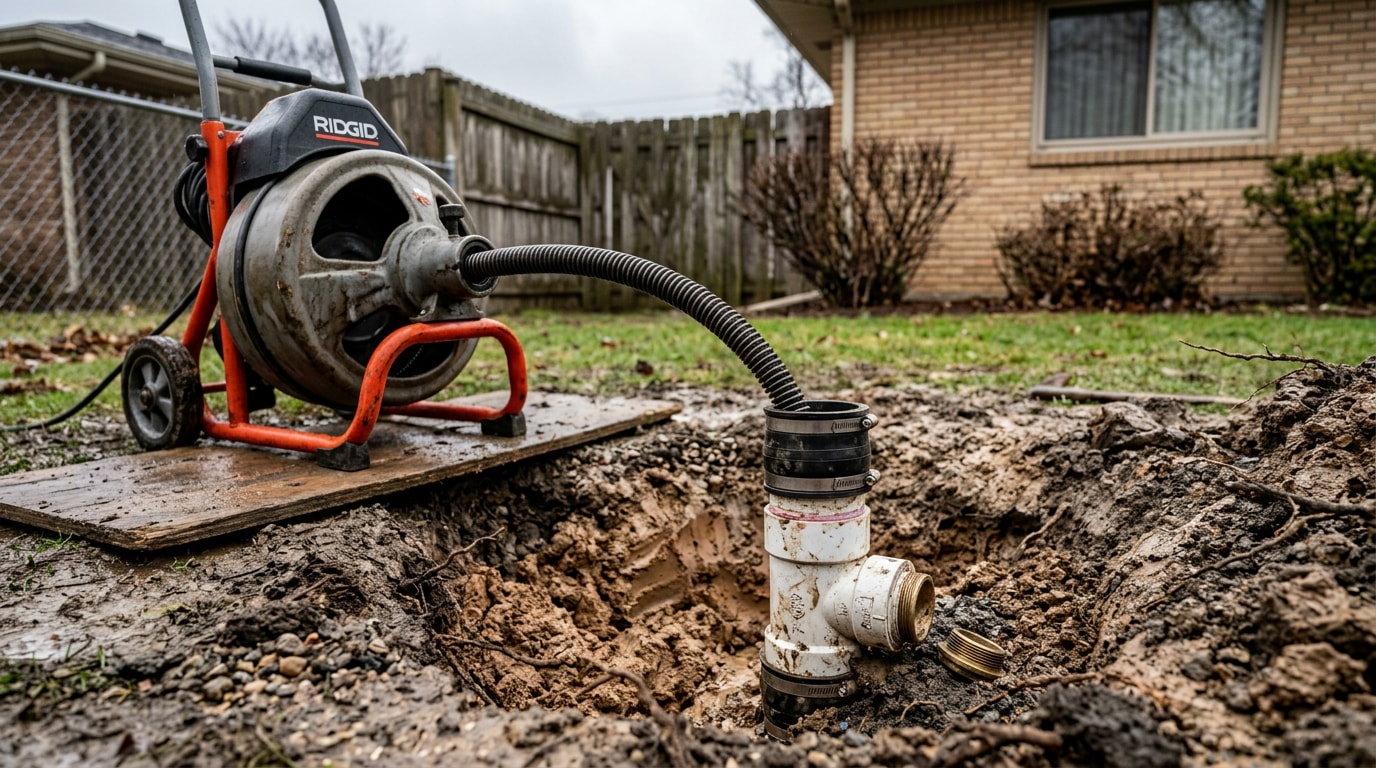
Septic plumbing in Springfield, IL tends to fail in the same predictable ways: gurgling drains, a sump pump that won't quit, or a sewage smell that won't go away. Many homes outside the city's sewer lines still run on aging clay pipe and private septic systems, so a small warning sign today can mean a collapsed lateral line next spring. This guide breaks down the symptoms, the Illinois-specific rules behind them, and realistic 2026 costs before you pick up the phone.
Our technicians have pulled tree roots out of more than one Springfield-area lateral line this year, almost always in neighborhoods built before 1975 where clay pipe and mature trees share the same yard. That pattern shows up again and again in the signs below.
Signs You Need Septic Plumbing Service in Springfield, IL
Catching a problem early, before a holiday-weekend backup forces an emergency call, usually saves homeowners hundreds of dollars. These three warning signs are the ones Springfield plumbers see most often in older neighborhoods.
Slow or Gurgling Drains
Slow drains or gurgling sounds after you flush typically mean air is trapped behind a partial blockage somewhere in the line. In a septic-connected home, this can signal a minor clog, a tank nearing capacity, or an early-stage lateral line blockage. A single slow drain is often a simple fix; multiple slow fixtures at once usually point to a bigger issue. If low water pressure shows up alongside the gurgling, our water pressure troubleshooting guide walks through the most common causes.
Sump Pump Irregularities
A sump pump that short-cycles or runs constantly often reflects how groundwater interacts with your septic system in central Illinois's dense clay soil. Clay holds water near the surface, pushing more of it toward your foundation and lateral lines, and left unchecked that combination can contribute to basement flooding. Contact us and a technician can confirm whether the pump or the septic system is the real culprit.
Discolored Water or Strange Odors
Sewer odor indoors, especially near floor drains, and discolored water from taps are both red flags. They often point to venting problems, a cracked line, or early septic system failure. The Illinois EPA notes that an improperly used or maintained septic system can affect an entire community by causing a breeding area for mosquitoes and other insects, undesirable odors, costly damage caused by sewage backing up inside the home, the spread of serious diseases, and pollution of groundwater, wells, rivers and lakes . Neither symptom should wait more than a day or two for an inspection.
What's Really Causing Your Septic Plumbing Problems?
Springfield's older housing stock and tree-lined lots create two failure points plumbers see again and again. Both are worth understanding before you assume a quick drain cleaning will solve things for good.
Tree Root Infiltration
Root intrusion happens when tree roots find moisture seeping from small cracks in a septic lateral line and grow toward it, eventually widening the crack or blocking flow entirely. Springfield's older neighborhoods combine mature tree canopy with dense clay soil that holds moisture close to buried pipes, giving roots an unusually strong incentive to chase that line. Newer subdivisions with younger trees and sandier fill rarely see this at the same rate.
Aging and Outdated Pipe Materials
Many Springfield homes built before the 1970s still have clay or Orangeburg pipe, both common before modern alternatives existed. These outdated materials deteriorate with age, becoming brittle, oval-shaped, or prone to collapse. Aging pipes are often the hidden reason a home needs repeat drain cleaning even when nothing seems visibly wrong.
Illinois Septic Rules Springfield Homeowners Should Know
This is the part most local septic pages skip, and it matters more than most homeowners realize. The Illinois Department of Public Health (IDPH) regulates the installation of all private sewage disposal systems that have no surface discharge (such as septic tanks and seepage fields) as well as those that discharge treated effluent up to 1,500 gallons per day to the ground surface (such as sand filters and aerobic treatment systems) . IDPH also licenses or certifies private sewage disposal installation contractors and private sewage disposal pumping contractors , so it's worth asking any company you hire for their license number before work begins.
Illinois also sets a hard rule for how long a system can go between checkups. Under the state's private sewage disposal code, an evaluation determines whether the tanks and compartments of a private sewage disposal system have layers of scum and settled solids greater than 33% of the tank's liquid capacity, and if so, the tanks must be pumped out and maintained; after the first evaluation, the system must be evaluated at minimum once every three years . If your system discharges effluent to the surface, there's an added layer: since a 2013 rule change, no surface-discharging private sewage disposal system may be permitted by the health department unless an NPDES permit from Illinois EPA is also issued for that system .
The bottom line: septic systems, like private wells, are the homeowner's responsibility , not the city's, so staying ahead of Illinois' inspection schedule is the cheapest insurance you'll ever buy for your yard.
Septic & Sewer Plumbing Services We Provide
A full-service provider typically covers:
- Drain cleaning to clear blockages before they become backups
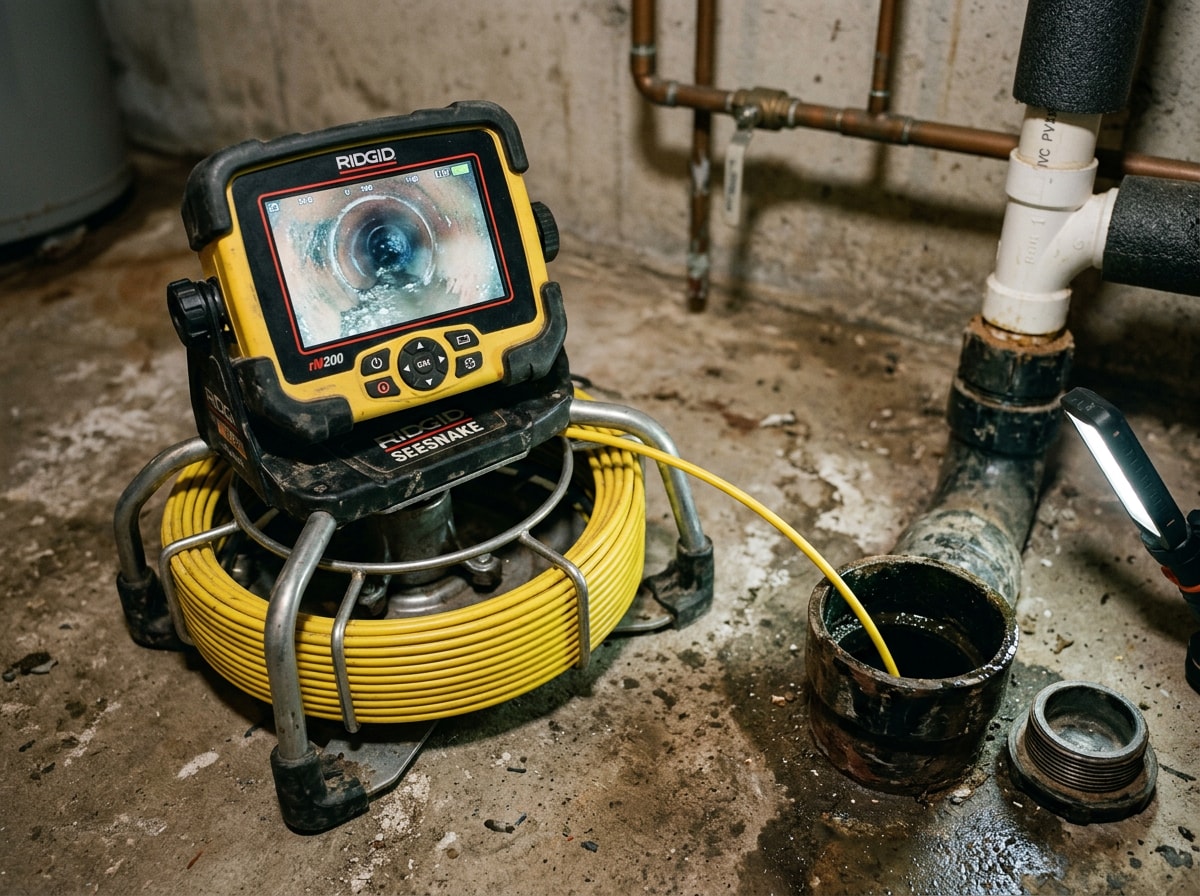
- Camera inspection to diagnose hidden damage without digging
- Sewer line repair for cracked or collapsed sections
- Sewer line installation for full replacements
- Backflow prevention to keep wastewater from re-entering your home
- Routine maintenance visits to catch small problems before they're emergencies
Together, these services cover nearly every issue a Springfield homeowner is likely to face with a septic-connected system. Request a free estimate and we'll walk through which service fits your situation.
Average Septic System Costs in Springfield, IL (2026)
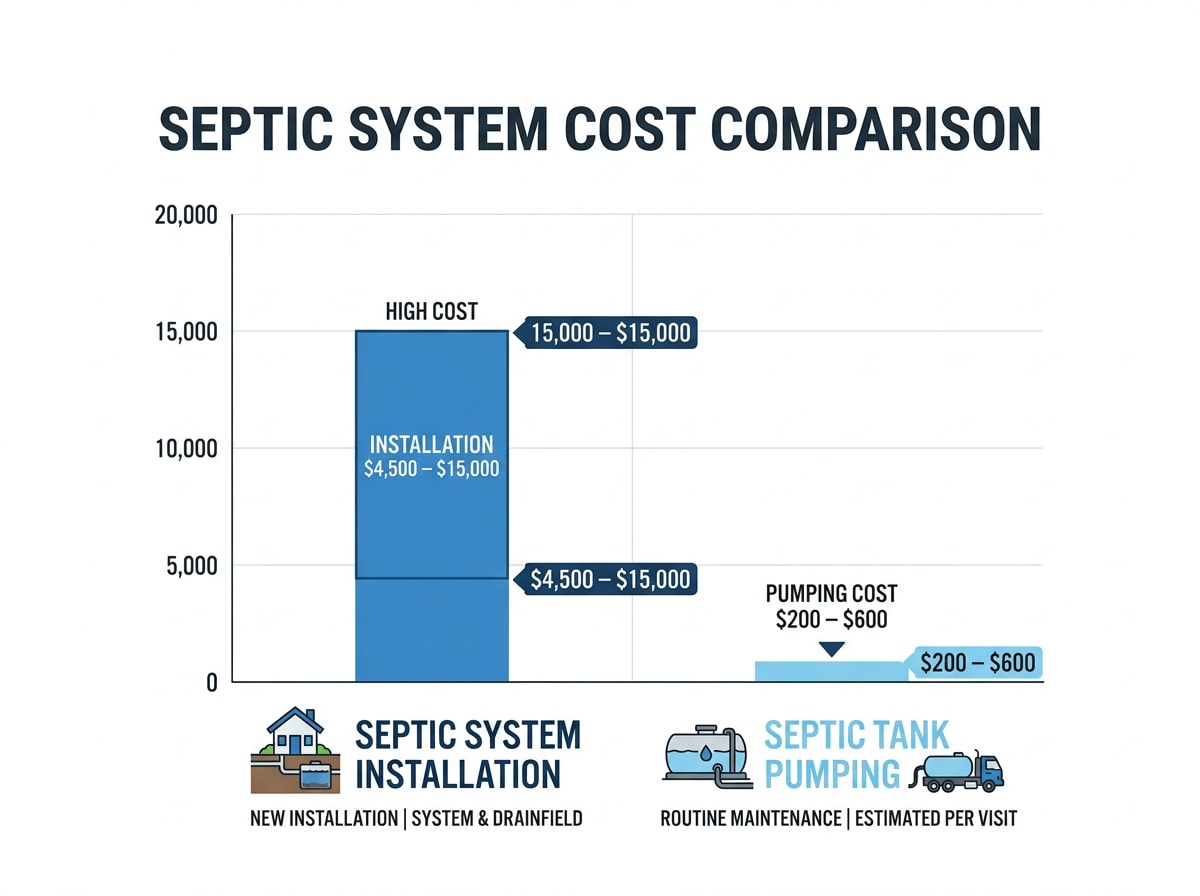
Costs vary quite a bit depending on whether you need a full installation or routine upkeep. Below are two separate breakdowns so you know roughly what to budget for.
Cost of Septic System Installation
| Tier | Estimated Cost |
|---|---|
| Low | $4,500 |
| Average | $8,000 |
| High | $15,000+ |
These numbers track closely with statewide data: the cost of septic system installation in Illinois averages $7,470.81 for a new conventional system on a three-bedroom house, with a range of $6,828.56 to $8,113.05 , and nationally septic system installation costs between $3,590 and $12,463 depending on tank size and system type, with the national average at $8,016 . A conventional install moves toward the lower end on flat, easy-access lots with favorable perc test results, and toward the higher end on sites needing engineered systems, difficult soil, or tight equipment access.
Cost of Septic Tank Cleaning or Pumping
Routine pumping in the Springfield area runs higher than the statewide baseline. The average septic tank cleaning cost in Springfield is $375 to $492, though it can range from $200 to $803 , while the University of Illinois Extension puts typical pump-out costs around $150 to $300 and recommends pumping at least every three years . Larger families or undersized tanks may need service closer to every one to two years.
Benefits of a Functional Septic & Sewer System
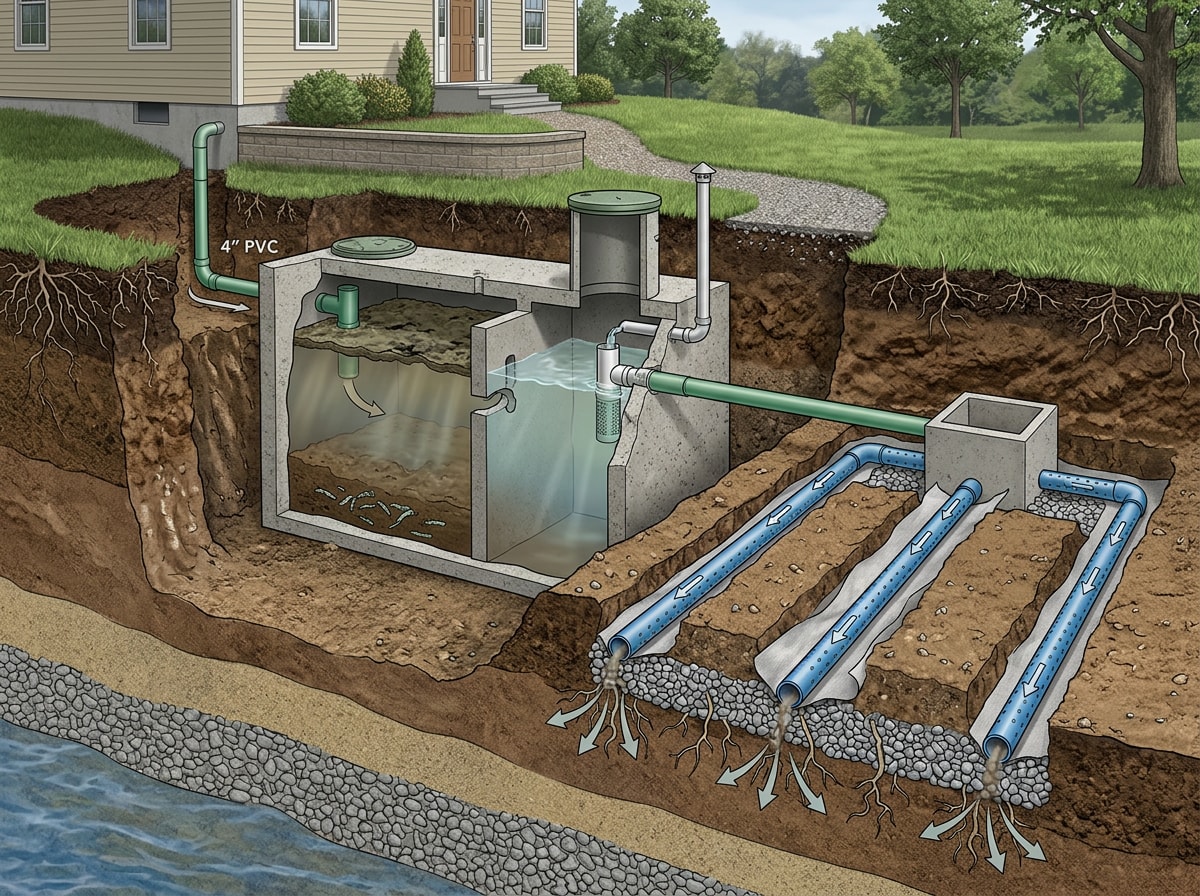
A properly maintained system avoids backups, protects your home's resale value, and sidesteps costly emergency repairs. It also keeps wastewater from contaminating groundwater, which protects both your family and your neighbors' wells.
EPA's own maintenance checklist is short and worth following between professional visits:
- Inspect and pump on schedule.
Homeowners should generally have their system inspected every three years by a qualified professional, and tanks should be pumped when necessary, typically every three to five years .
- Watch what goes down the drain.
Avoid pouring fats, grease, and solids down the drain, since these substances can clog a system's pipes and drainfield .
- Don't overload the commode.
Only put things in the drain or toilet that belong there; coffee grounds, dental floss, wipes, feminine hygiene products, and cat litter can all clog and damage septic systems .
Choosing a Septic Plumbing Contractor in Springfield
Look for a licensed septic plumber familiar with Illinois septic codes, verifiable local reviews, and a willingness to provide a written estimate before work begins. Ask how long they've serviced the Springfield area specifically; local soil and pipe-age knowledge matters more here than in most markets, since clay soil and pre-1975 housing stock both push failure rates higher. A trustworthy contractor will walk you through options rather than pushing the most expensive fix.
We serve homeowners throughout Springfield, IL, Sangamon County, IL, Chatham, IL, and the wider Central Illinois Region, IL. Get a free estimate or visit our homepage to see the full range of services we offer.
FAQ
What is a septic plumber?
A septic plumber is a licensed contractor who installs, repairs, pumps, and inspects septic systems, including the lateral lines connecting them to a home. They diagnose both tank-side and line-side issues.
How much does septic tank pumping cost in Springfield, IL?
Expect to pay roughly $200 to $500 for a routine pump-out, with Springfield-specific averages landing between $375 and $492. Larger tanks, difficult access, or a system that's gone years without service can push costs toward $800.
Do I need a permit for septic repairs or installation in Springfield, IL?
Yes. Installation and most repairs require plan review and a permit through your local health department, since staff review and approve plans for private sewage disposal systems and alternative private sewage disposal systems before construction . Routine pumping on your own property typically doesn't require a separate permit, but confirm with Sangamon County before scheduling major work.
How often should I have my septic tank pumped?
Every homeowner using a septic system should clean the tank every one to three years . Households with garbage disposals, more occupants than the system was designed for, or an older undersized tank should lean toward the shorter end of that range.
How do I know if my Springfield home is on septic or city sewer?
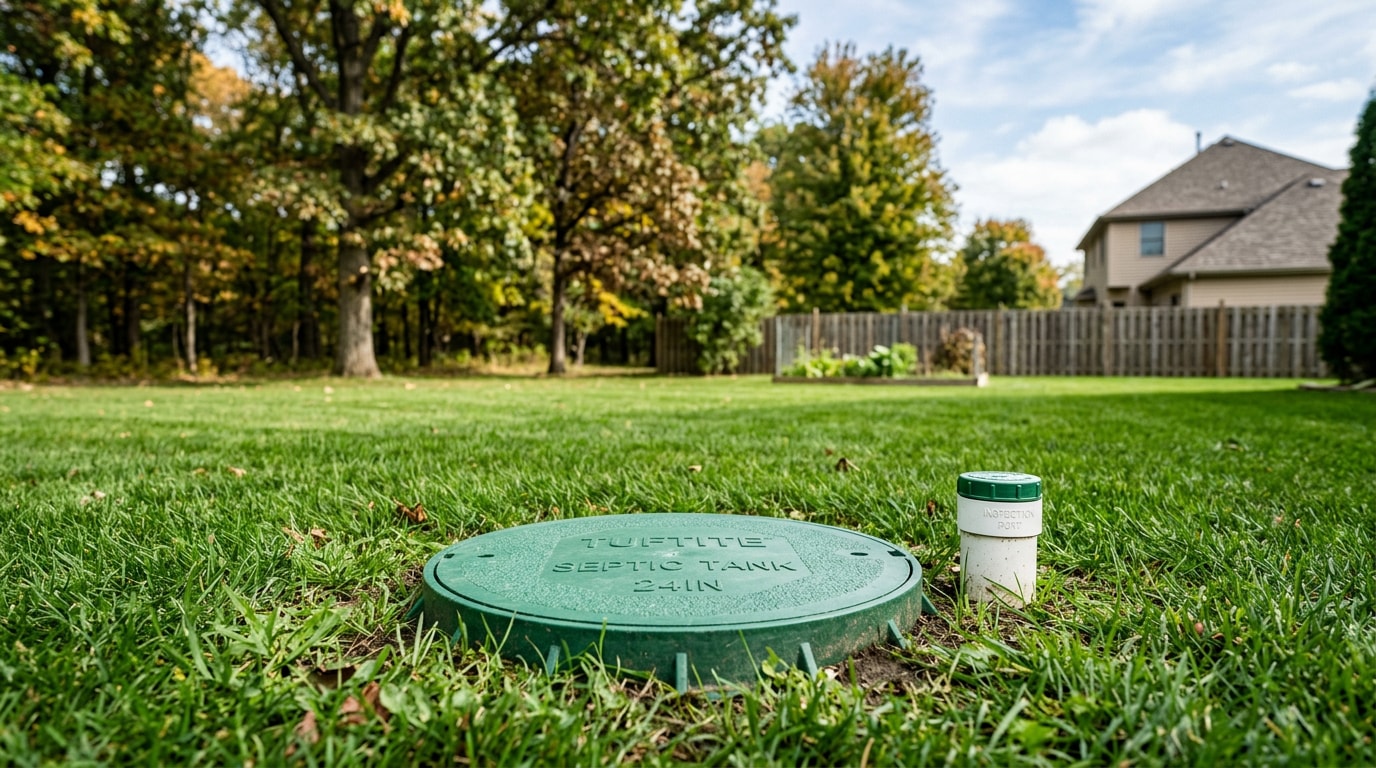
A few quick checks confirm it. You likely have a septic system if you use well water, your neighbors have a septic system, or your yard has inspection ports or vent pipes sticking out of the ground . If you're still unsure, your county health department keeps permit records for every private system on file.