A hot water tank replacement in Springfield, IL usually starts with one bad morning: cold water, a rumbling tank, or a puddle on the basement floor. The good news is that once you know the warning signs, deciding between a repair and a full replacement gets a lot simpler. This guide breaks down the signs, the real 2026 cost ranges, and what a code-compliant installation actually involves.
Signs You Need a Hot Water Tank Replacement
Most failing water heaters give you warning before they quit for good. The trick is catching the signs early enough to plan the swap on your schedule, not during an emergency.
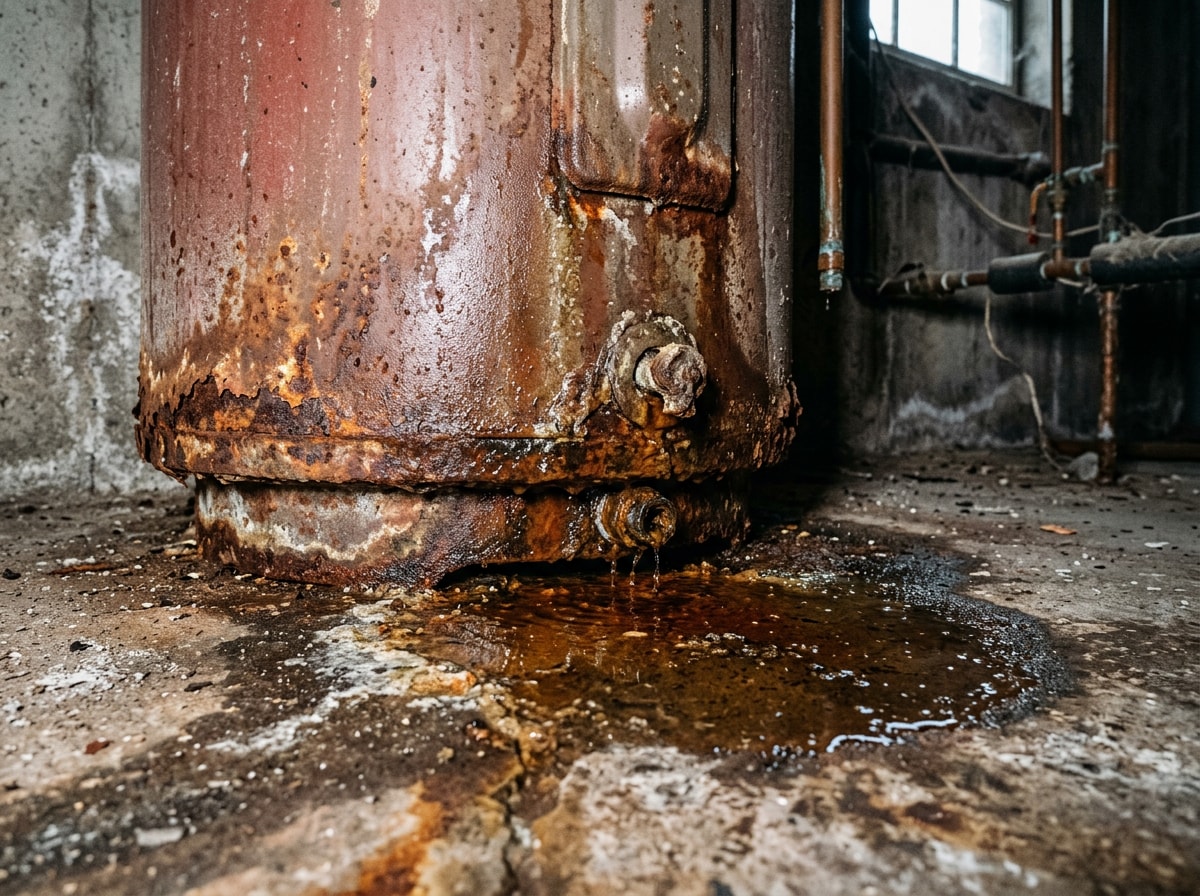
Water Pooling Around the Base of the Tank
Water at the base of the tank almost always means the inner tank has corroded and cracked, not that a fitting or valve is loose. A leak at a connection can often be repaired. Water leaking from the tank itself means the steel has failed from the inside out, and that's a replacement situation, not a repair opportunity.
Left alone, a tank leak can damage flooring, drywall, and anything stored nearby. If you spot rust-colored water or a damp floor around your tank, start pricing a replacement rather than a patch job.
Not Enough Hot Water, or It's Only Lukewarm
Lukewarm water, or running out faster than it used to, usually traces back to sediment insulating the heating element, a tank that's now too small for your household, or a failing element or burner. A part swap can solve this on a newer unit. On an older tank, it's often the first clear signal that replacement makes more sense than another repair bill.
Loud Popping, Rumbling, or Banging Noises
Popping and rumbling happen when sediment hardens at the bottom of the tank and traps water underneath it. As that trapped water heats, steam pockets escape with a sharp pop or rumble. A single flush sometimes quiets things down temporarily.
If the noise returns quickly after flushing, the sediment layer has likely hardened beyond an easy fix. Persistent noise after maintenance is one of the more reliable signs a unit is nearing the end of its service life.
Repair vs. Replace: How to Decide
A standard storage water heater has a limited, predictable working life. The average lifespan of a water heater is around 8-12 years, depending on factors such as water quality, usage, and maintenance, and if your water heater is approaching or has surpassed this age range, it's time to consider a replacement. One often-overlooked data point: if yours is one of the millions of households with a storage water heater more than 10 years old, the federal guidance is to replace it with an efficient model before it fails, since the average storage water heater lasts about 13 years, and once it starts to leak, it's already too late to compare prices and benefits.
Use this checklist to see where you stand:
- Age of the unit — Past 8-10 years old? Replacement starts making more financial sense than another repair.
- Repair cost vs. replacement cost — If a repair quote runs more than half of a new installed unit's price, replacing is usually the smarter long-term call.
- Repair frequency — Two or more repairs in the past year points to a unit in decline.
- Rising energy bills — A tank losing efficiency often shows up as a gradual increase in gas or electric costs, even with steady household usage.
If you check two or more of these boxes, treat it as a replacement decision rather than a repair one. Contact our team for a free, no-pressure estimate before you commit either way.
Hot Water Tank Replacement Cost in Springfield, IL (2026)
Exact pricing depends on tank size, fuel type, and whether venting or electrical work is required. The table below gives general ballpark ranges; your actual quote will vary based on your home's setup.
| Replacement Type | Typical Installed Range |
|---|---|
| Standard 40-gallon electric tank | Lower end of the market |
| Standard 40-50 gallon gas tank | Mid-range, higher if venting changes are needed |
| Large-capacity tank (75-80 gallon) | Higher end, due to weight and venting needs |
| Tankless conversion | Highest, often 2-3x a standard tank due to gas/electric upgrades |
Because these ranges swing based on your specific home, the only reliable way to get a real number is an on-site look. Our guide on what a 2026 plumbing estimate should include walks through exactly what a trustworthy quote should cover before you sign anything.
Tank vs. Tankless Water Heaters
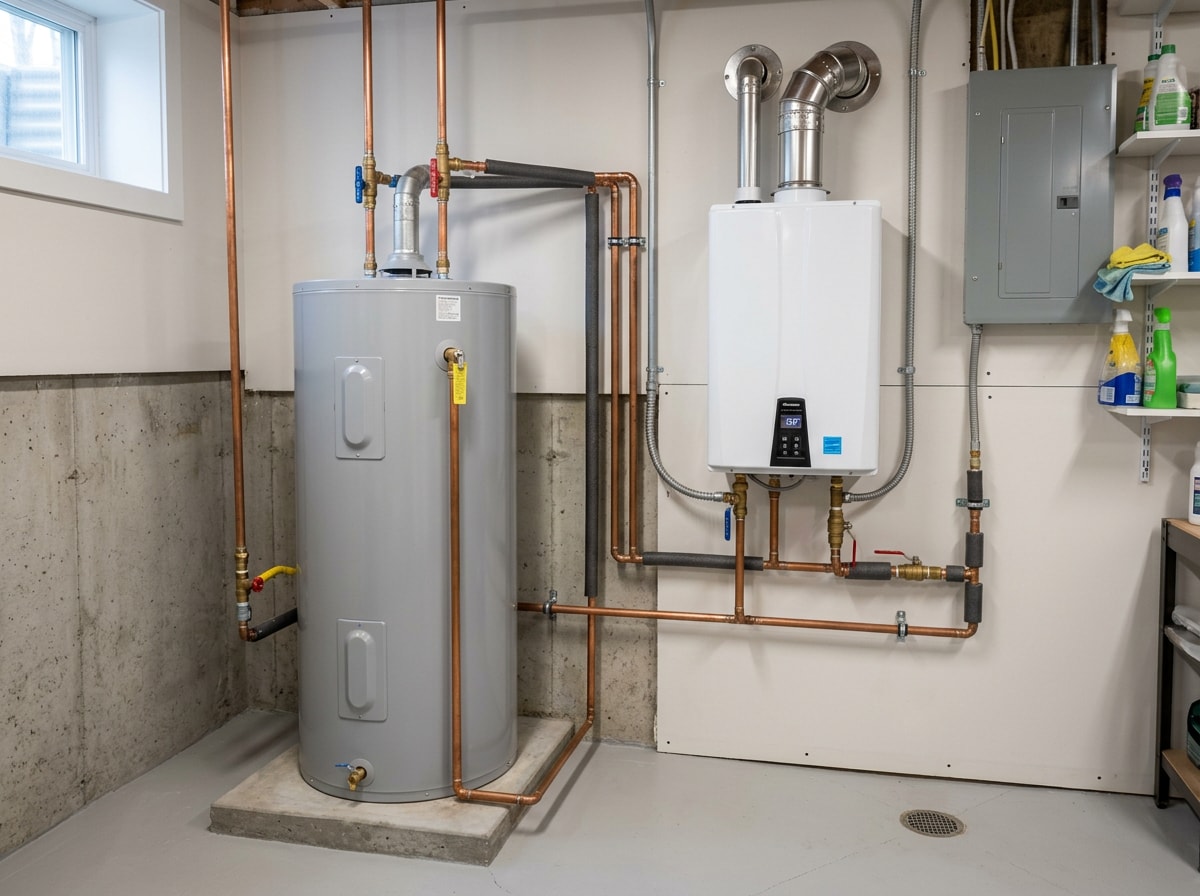
Deciding between a conventional tank and a tankless unit comes down to upfront cost, space, and how your household actually uses hot water. A storage tank keeps a reserve ready to go. A tankless unit heats water on demand, but costs more to install and isn't always a fit for older Springfield homes with limited gas line capacity or electrical service.
| Factor | Storage Tank | Tankless |
|---|---|---|
| Upfront cost | Lower | Higher, often 2-3x |
| Install complexity | Often works with existing venting | May need new gas or electric lines |
| Typical lifespan | 8-12 years | 15-20 years |
| Space needed | Closet or basement footprint | Compact, wall-mounted |
| Standby energy loss |
Energy can be wasted even when a hot water tap isn't running due to standby heat losses, which result from the tank losing heat to the surrounding environment
|
Only tankless water heaters avoid standby heat losses
|
For many Springfield homeowners, especially in older houses, the storage tank option wins simply because it drops into the existing setup without rewiring or re-piping. Tankless tends to make more sense for newer construction or homeowners willing to absorb a higher install cost for long-term savings.
What a Professional Installation Involves
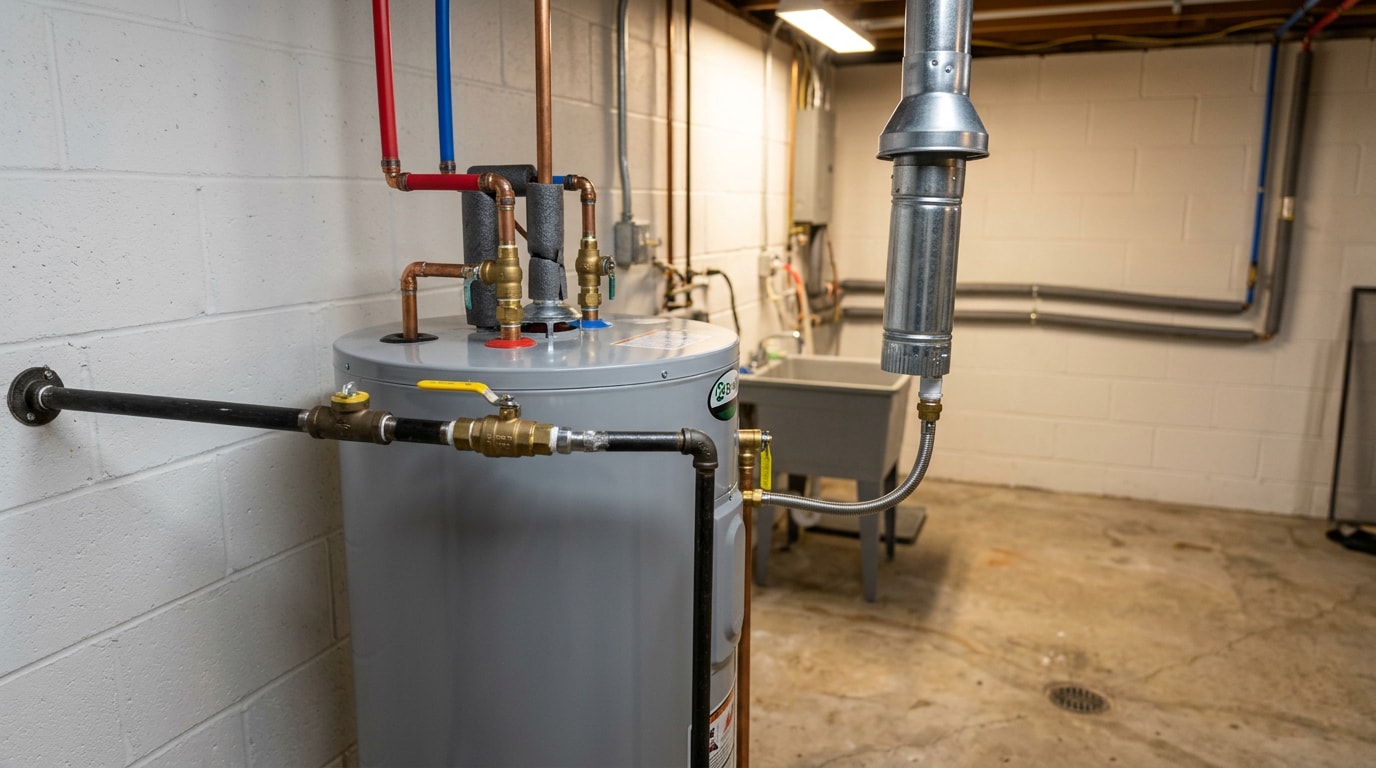
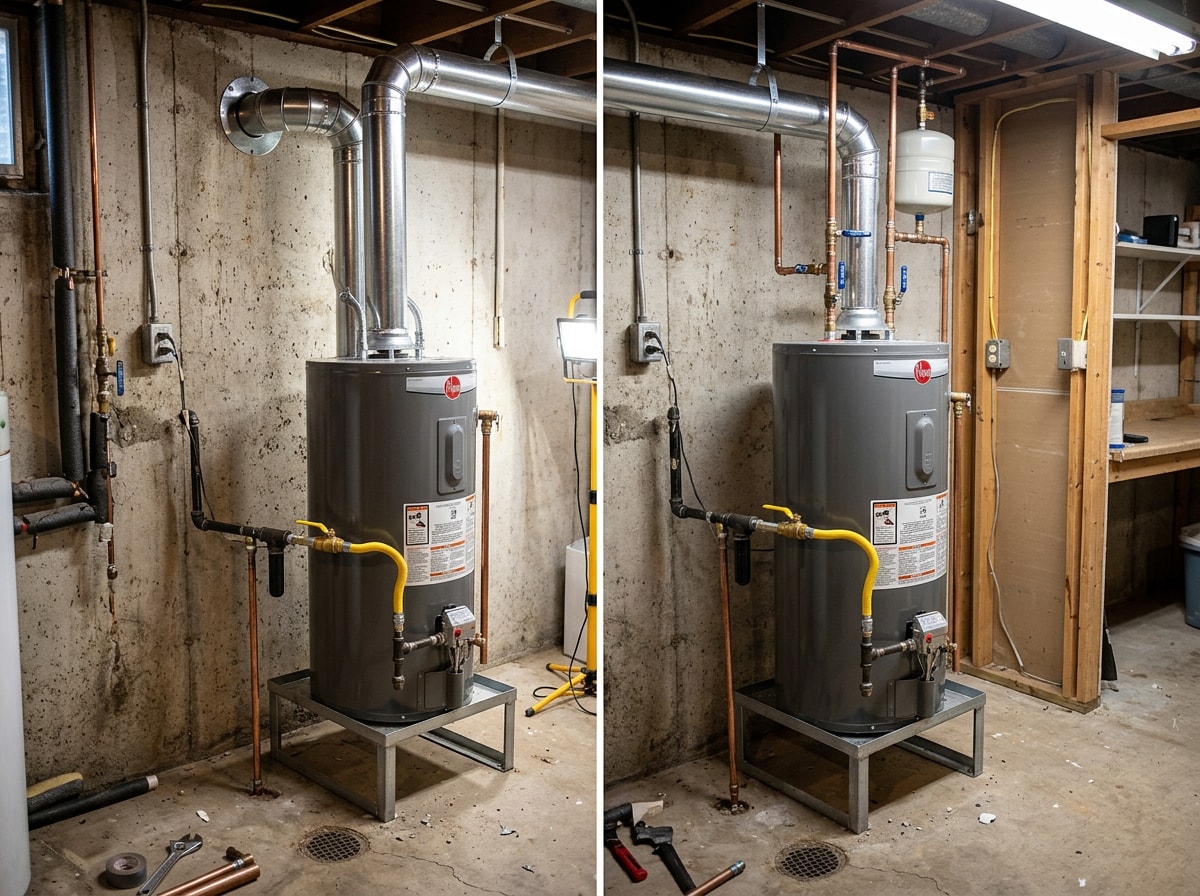
A professional water heater installation starts with safely draining and removing the old unit, including proper disposal. From there, the installer sizes the new tank to your household's actual hot water demand rather than doing a like-for-like swap, since undersized replacements are a common cause of repeat "not enough hot water" complaints.
Permitting and venting matter, too. All water heaters in Illinois must comply with Appendix A Table A, the approved standards for plumbing appliances, appurtenances, and devices, and ASHRAE 90 Standards , under Illinois Administrative Code Section 890.1220. Most Illinois municipalities also require a permit for a water heater swap, even a like-for-like replacement, because the work touches gas or electrical connections and safety devices like the temperature and pressure relief valve. A qualified installer pulls the permit, confirms venting is correct, and makes sure connections meet current code rather than just matching what was there before.
In the Springfield-area basements we've walked through, the most common setup is still a 40 or 50-gallon gas tank tied to the home's original flue, which is one reason a straightforward tank-for-tank replacement remains the default choice for most households rather than a full system conversion.
This is also the moment to think about efficiency. An ENERGY STAR certified electric water heater can save a household of four approximately $600 per year on electric bills compared to a standard electric water heater, and more than $4,500 over its lifetime. That's real money over a 10-12 year tank lifespan, even before factoring in fewer repair calls.
Keeping Your New Water Heater Running Longer
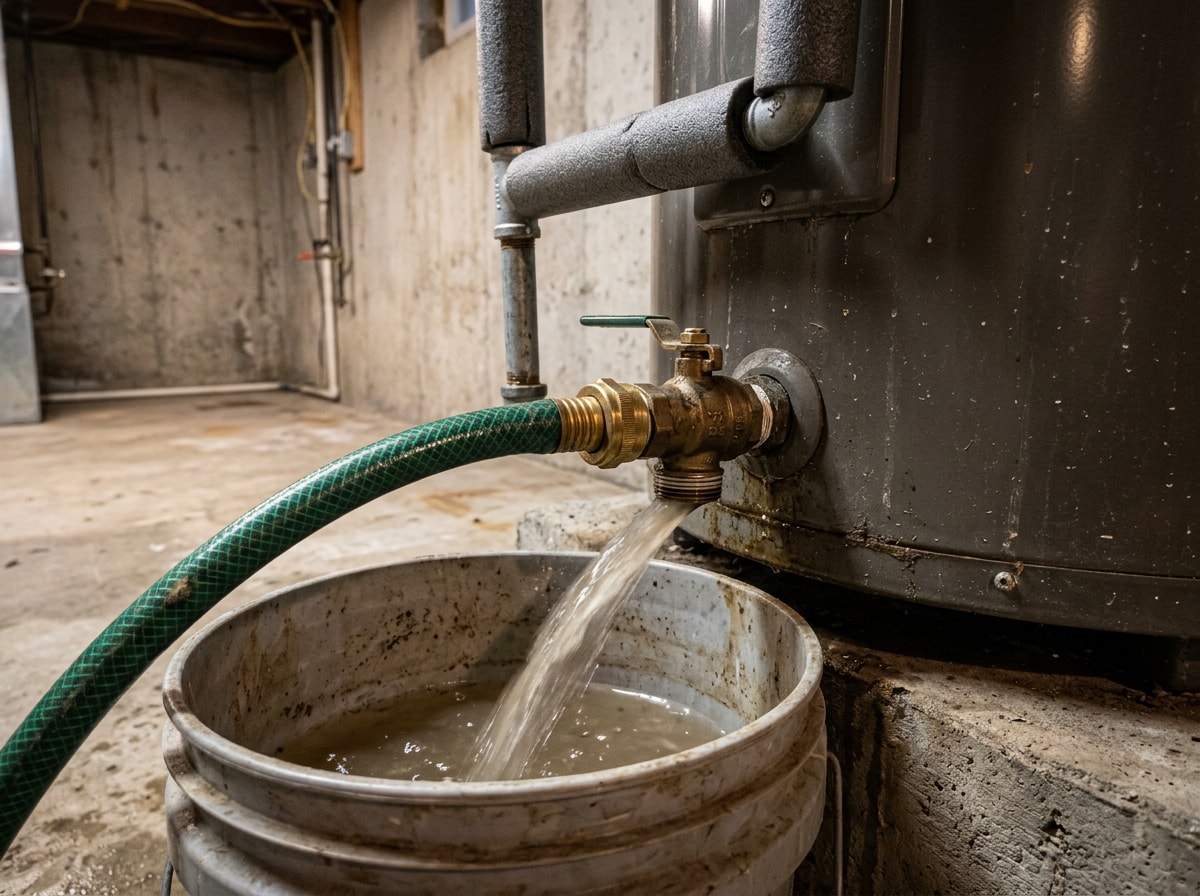
Once your new tank is installed, a little upkeep goes a long way toward extending its working life. Flushing the tank annually clears sediment before it hardens, which is the biggest factor behind both noise complaints and early failure.
Checking the anode rod every couple of years and keeping the thermostat around 120°F also reduces strain on the heating element or burner. These habits won't make a tank last forever, but they can meaningfully extend its working life and delay your next replacement by several years.
FAQ
How much should it cost to have a hot water tank replaced in Springfield, IL?
Most tank-for-tank replacements, parts and labor combined, fall in the low-to-mid thousands, with gas units and larger tanks landing higher than standard electric models. The only way to get an exact number for your home is a free on-site estimate.
Do I need a permit to replace a water heater in Illinois?
In most Illinois jurisdictions, yes, even a like-for-like swap. The work involves gas or electrical connections and safety devices like the pressure relief valve, which is why most local building departments require an inspection before the unit goes into service.
Can I install my own water heater, or do I need a licensed plumber?
It's technically allowed for owner-occupants in some jurisdictions, but water heater installation involves gas lines, electrical connections, and code-specific venting. A licensed installer knows the local permit process and inspection requirements, which protects you if something goes wrong later.
How long does a standard hot water tank actually last?
Most storage tanks last 8 to 12 years. Hard water, heavy household use, and skipped maintenance can shorten that. Annual flushing and anode rod checks can help you get closer to the upper end of that range.
Is a tankless water heater worth the extra upfront cost?
It depends on your home. Tankless units last longer and use less standby energy, but the installation often requires upgraded gas lines or electrical service, which adds cost. For many older Springfield homes, a tank replacement remains the more budget-friendly fit.
What's the price difference between a tank at a home improvement store and a fully installed unit?
Big-box pricing usually covers only the unit itself. It doesn't include haul-away of your old tank, the permit fee, code-compliant venting work, or professional labor, all of which are part of a properly installed price.
If your water heater is already showing one of these warning signs, don't wait for it to fail on a weekend. Get a free estimate from our team, and if you're planning other home maintenance for the year, take a look at our full range of services serving Springfield, IL and Sangamon County homeowners.