
24/7 plumbing in the Central Illinois Region, IL means more than a slogan painted on a truck. It means someone answers at 2 a.m., quotes a real price before they leave the shop, and actually shows up. This guide breaks down what a true round-the-clock provider offers, what emergency work costs, and how to tell a legitimate 24/7 operation from one that only claims to be.
What Counts as a True Plumbing Emergency?
Not every plumbing problem justifies an after-hours call. A real emergency threatens your property or your family's safety right now.
- A burst or actively spraying pipe
- A gas odor near an appliance or supply line
- Sewage backing up into sinks, tubs, or floor drains
- A total loss of water with no way to shut it off yourself
- A water heater leaking near electrical panels or outlets
Everything else, a slow drain, a dripping faucet, a running toilet, can usually wait for business hours.
A legitimate 24/7 plumbing company answers with a live person, not a voicemail loop. It quotes emergency pricing before a technician leaves the shop and gives you an actual dispatch window instead of a vague "sometime tonight."
How Fast Should a 24/7 Plumber Respond?
Response times and fees in the Central Illinois Region vary by call type.
| Call Type | Typical Response Window | Added Fees |
|---|---|---|
| Same-day, non-emergency | A few hours | Usually none |
| After-hours emergency | Roughly 60–90 minutes | Flat dispatch or after-hours fee, plus labor |
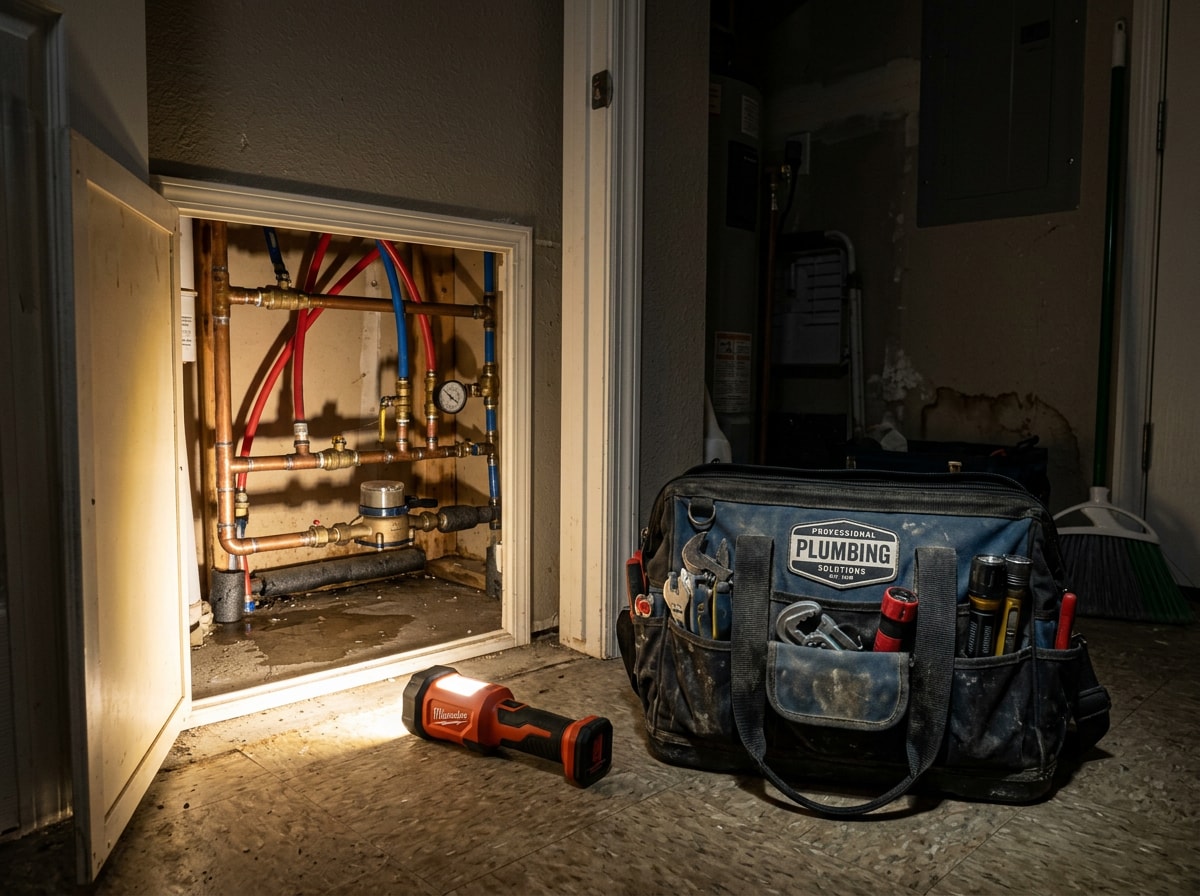
In the after-hours calls we've helped homeowners sort through across Springfield, Chatham, and Sangamon County, frozen or burst supply lines cause the sharpest spike in emergency volume every winter, usually in the first hard freeze of the season.
Picture a frozen supply line bursting on a January night. Before help arrives, shutting off the main water valve limits the damage. It is important that everyone in your household learn how to shut off the main water valve to the house. Ready.gov's water shutoff and safety skills guidance walks through locating and testing that valve before you ever need it.
Once the valve is off, call your plumber and describe the leak location so the tech brings the right parts the first time. Our guide on 24 Hours Plumbing in Chatham, IL covers exactly what a true emergency dispatch should include.
Areas We Service Across the Central Illinois Region
A true 24/7 plumbing provider covers the whole region, not just one city. Hyper-local coverage matters because a "24-hour plumber near me" search at midnight is only useful if a tech can actually reach you fast; dispatch distance directly affects real response time.
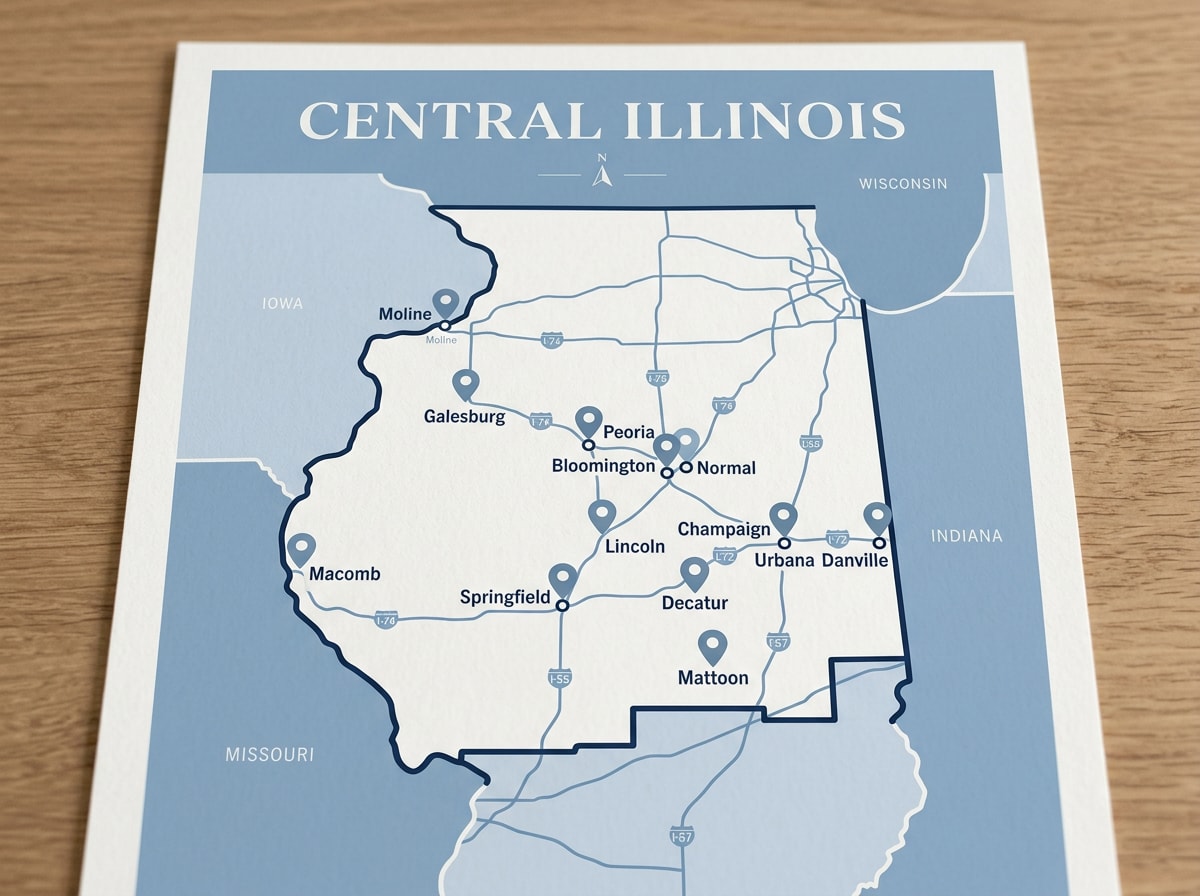
Check coverage before you call, especially outside a major metro:
Full-Service 24/7 Plumbing: What's Included
A full-service 24/7 plumber should cover far more than emergencies. Residential repairs, replacements, installs, and light-commercial work all fall under the same roof.
Leak Repair
Leaks commonly start at supply lines, water heaters, or fixture connections. Fast leak repair stops a small drip from turning into costly water damage to floors, drywall, and framing.
Clog Repair
Grease, hair, and foreign objects cause most clogged drains. Once a plunger stops working, professional drain cleaning clears the line without damaging older pipes.
Pipe Replacement
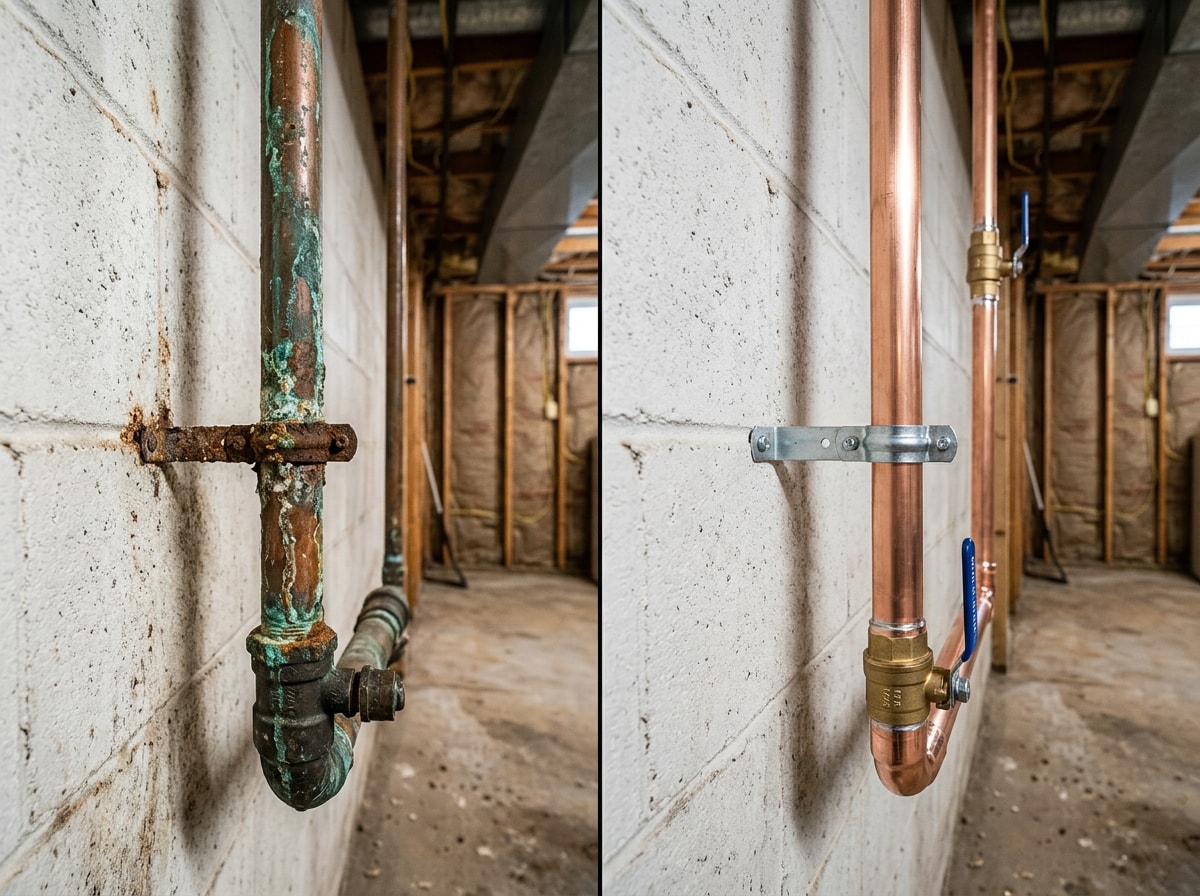
Pipe age, material, and corrosion determine whether a spot fix will hold or whether full pipe replacement, sometimes whole-home repiping, makes more sense long-term.
Fixture Installation
Faucet installs, toilet installation, and sink swaps are standard offerings for any 24/7 provider, usually scheduled rather than urgent.
Gas Line Repair
A gas leak smells like rotten eggs and demands immediate attention. Gas line repair should only ever be handled by a licensed plumber; connections done incorrectly risk fire or carbon monoxide exposure.
Annual Inspections
A yearly plumbing inspection checks water pressure, pipe condition, and fixture seals before small issues become emergencies. Scheduling preventive maintenance proactively tends to cost less than reactive repair work.
What Does Emergency Plumbing Cost?
Plumbing costs vary widely by job type and urgency. A standard drain cleaning costs far less than an after-hours burst-pipe call, and confirming pricing before the tech arrives protects you from surprise invoices.
Ready to compare a quote against what you're hearing elsewhere? Get a Free Estimate before committing to any non-emergency work.
How to Vet a 24/7 Plumbing Company Before You Call
Run through this checklist before you hire anyone, emergency or not.
- Check licensing.
Under the Illinois Plumbing License Law, the Department licenses plumbers, plumbing contractors, plumbers' apprentices, irrigation contractors and retired plumbers. One detail most homeowners never check: all advertisements for plumbing services must include the plumbing license number in the advertisement. If a truck, website, or ad has no license number on it, that's a red flag worth asking about directly.
- Check insurance. Active liability coverage shifts financial risk away from you if something goes wrong mid-repair.
- Ask about experience with your housing stock. Older homes, well systems, and specific soil conditions in the Central Illinois Region matter more than company size alone.
- Read reviews past the star rating. Look for comments on response time, follow-up communication, and repeat-customer loyalty.
- Compare two or three quotes for non-emergency work. Unusually low bids are often a red flag, not a bargain.
- Ask about warranties up front. A reasonable workmanship warranty covers labor for at least a year on repairs and longer on installs.
You can also confirm a provider's standing before you ever visit their homepage by checking their license directly with the state.
FAQ
How much do plumbers charge in Illinois?
Standard plumber rates in Illinois typically run $75 to $150 per hour during normal business hours. After-hours or emergency rates often add a flat dispatch fee on top of a higher hourly rate, so confirm total pricing before the technician arrives.
Is it illegal to do plumbing without a license in Illinois?
Yes. To protect public health, the Illinois Department of Public Health regulates plumbers and the plumbing trade, and under the Illinois Plumbing License Law, the Department licenses plumbers, plumbing contractors, plumbers' apprentices, irrigation contractors and retired plumbers. Hiring an unlicensed plumber risks code violations, voided insurance claims, and no recourse if the work fails.
Do 24/7 plumbers charge extra for nights and weekends?
Usually, yes. Most companies add a flat after-hours or dispatch fee on top of standard labor rates for true emergencies outside business hours. Ask for that number before the truck leaves the shop, not after the repair is done.
Can I use PEX piping in Illinois?
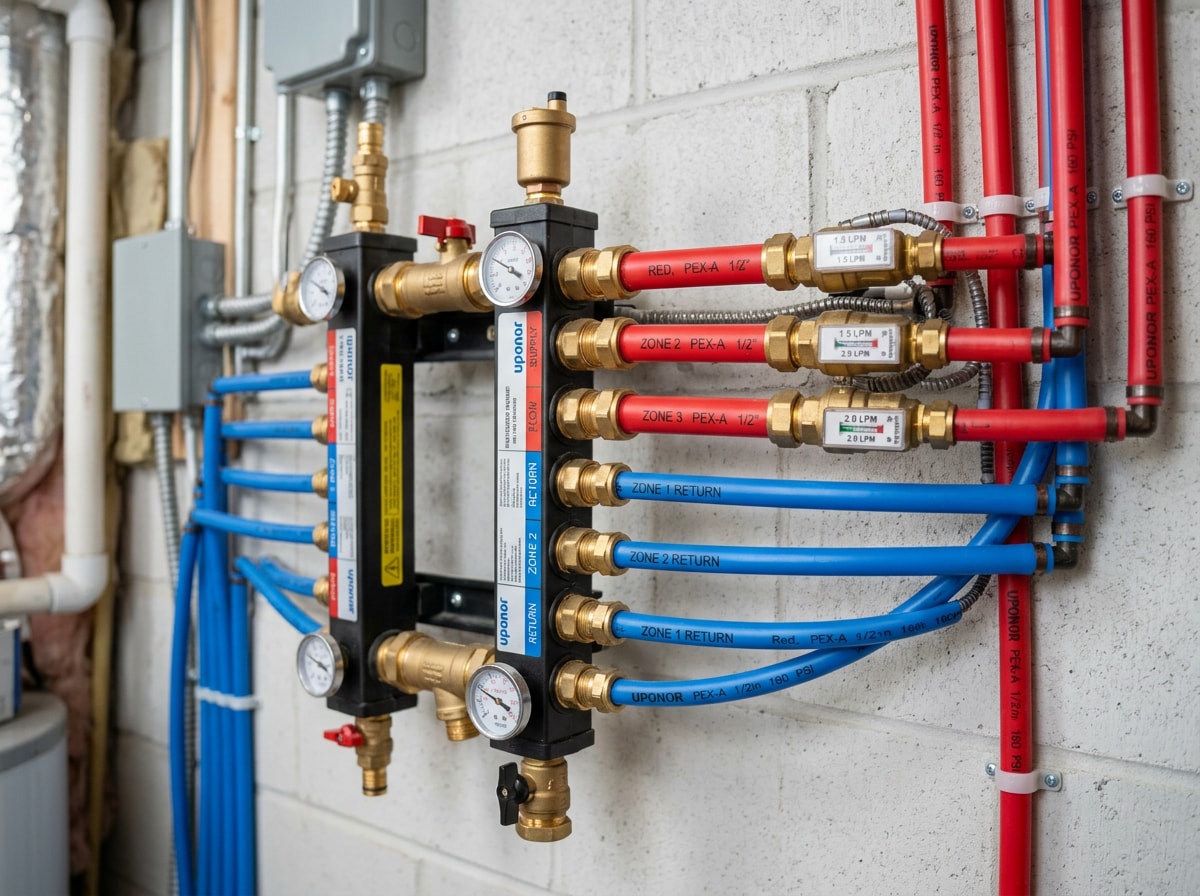
PEX piping is approved for use in all model codes , though some local jurisdictions in Illinois restrict it in specific applications, like direct connections at a water heater. Always confirm with your local inspector before installation; HUD's residential PEX design guide covers the code basics in more detail.
Should I tip my plumber?
Tipping isn't required, but it's appreciated for difficult or especially courteous emergency work. Twenty to fifty dollars is a common range.
Can I fix plumbing problems myself?
Minor DIY tasks like a slow drain or a running toilet are usually safe to handle yourself. Gas lines, sewer issues, and major leaks need a licensed professional. Contact our team if you're unsure which category your problem falls into.
About the Author
This guide was reviewed by a licensed Illinois plumbing contractor on our team who has coordinated after-hours dispatch for homeowners across Springfield, Chatham, and Sangamon County for more than a decade. Questions about a specific situation? Get a Free Estimate and describe what's happening, we'll tell you straight whether it's a true emergency.